
Post Flood Cleanup and Fast Leak Mold Remediation
Fast Mold Removal After Hurricane Flooding Starts in the First 48 Hours
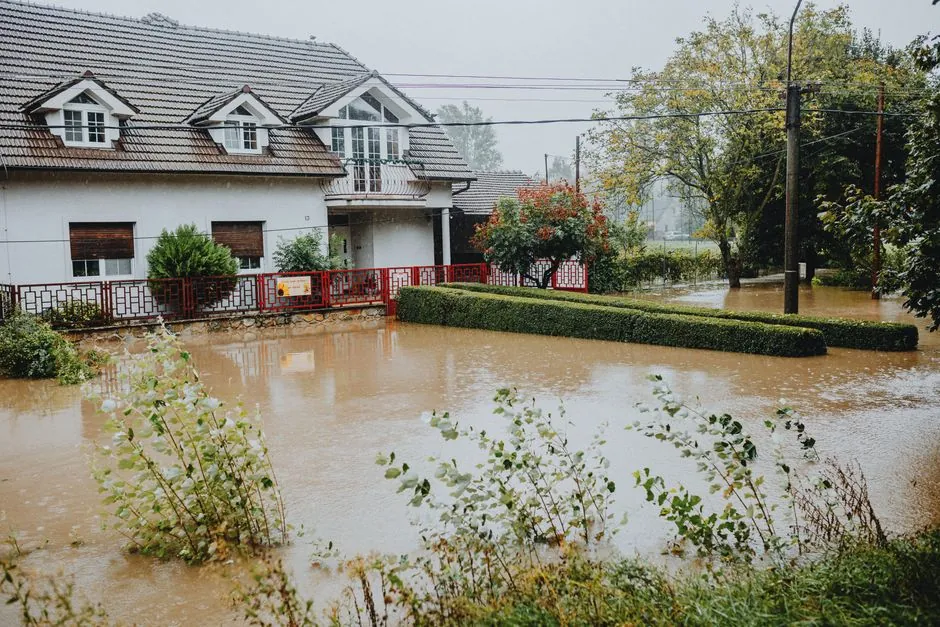
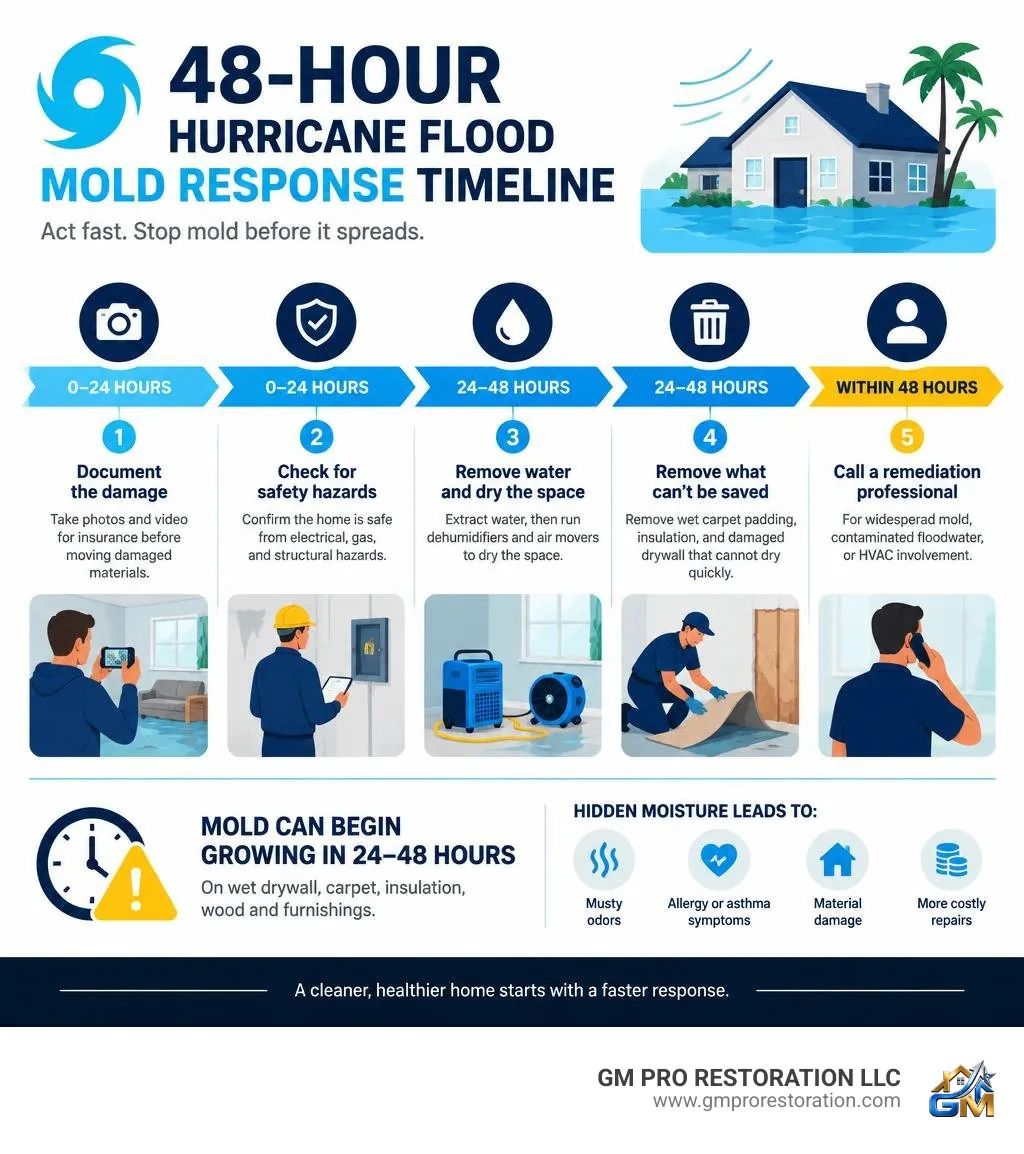
For effective mold removal after hurricane flooding, remove standing water, dry the structure, and discard water-soaked porous materials as soon as it is safe to enter. Mold can begin growing within 24 to 48 hours on wet drywall, carpet, insulation, wood, and furnishings.
- Take photos and video for insurance before moving damaged materials.
- Confirm the home is safe from electrical, gas, and structural hazards.
- Extract water, then run dehumidifiers and air movers to dry the space.
- Remove wet carpet padding, insulation, and damaged drywall that cannot dry quickly.
- Call a qualified remediation professional for widespread mold, contaminated floodwater, or HVAC involvement.
Floodwater is not just a cleanup problem. Moisture can wick behind walls, under flooring, and into insulation long after visible water is gone. That hidden dampness can lead to musty odors, allergy or asthma symptoms, material damage, and more costly repairs.
Acting quickly protects your health, your home's value, and the chance of limiting mold before it spreads beyond the original flood area.
Complete Guide to Mold Removal After Hurricane Damage
Dealing with storm aftermath is exhausting, overwhelming, and messy. When a major tropical system tears through a community, it brings wind-driven rain, storm surges, and riverine flooding. Once the floodwaters recede, the clock starts ticking immediately.
Addressing post-storm microbial growth requires a structured, step-by-step strategy. Without an intentional approach, microscopic spores will multiply across wet framing, subflooring, and finish materials, turning a manageable drying project into a whole-home environmental hazard.
Understanding the Critical Response Window for Mold Removal After Hurricane Floods
Mold spores naturally exist in indoor and outdoor air in tiny, harmless amounts. What transforms them into rapid, destructive colonies is unmanaged moisture combined with warm organic matter. Following a hurricane, ambient humidity skyrockets, temperatures often climb, and porous building components become soaked.
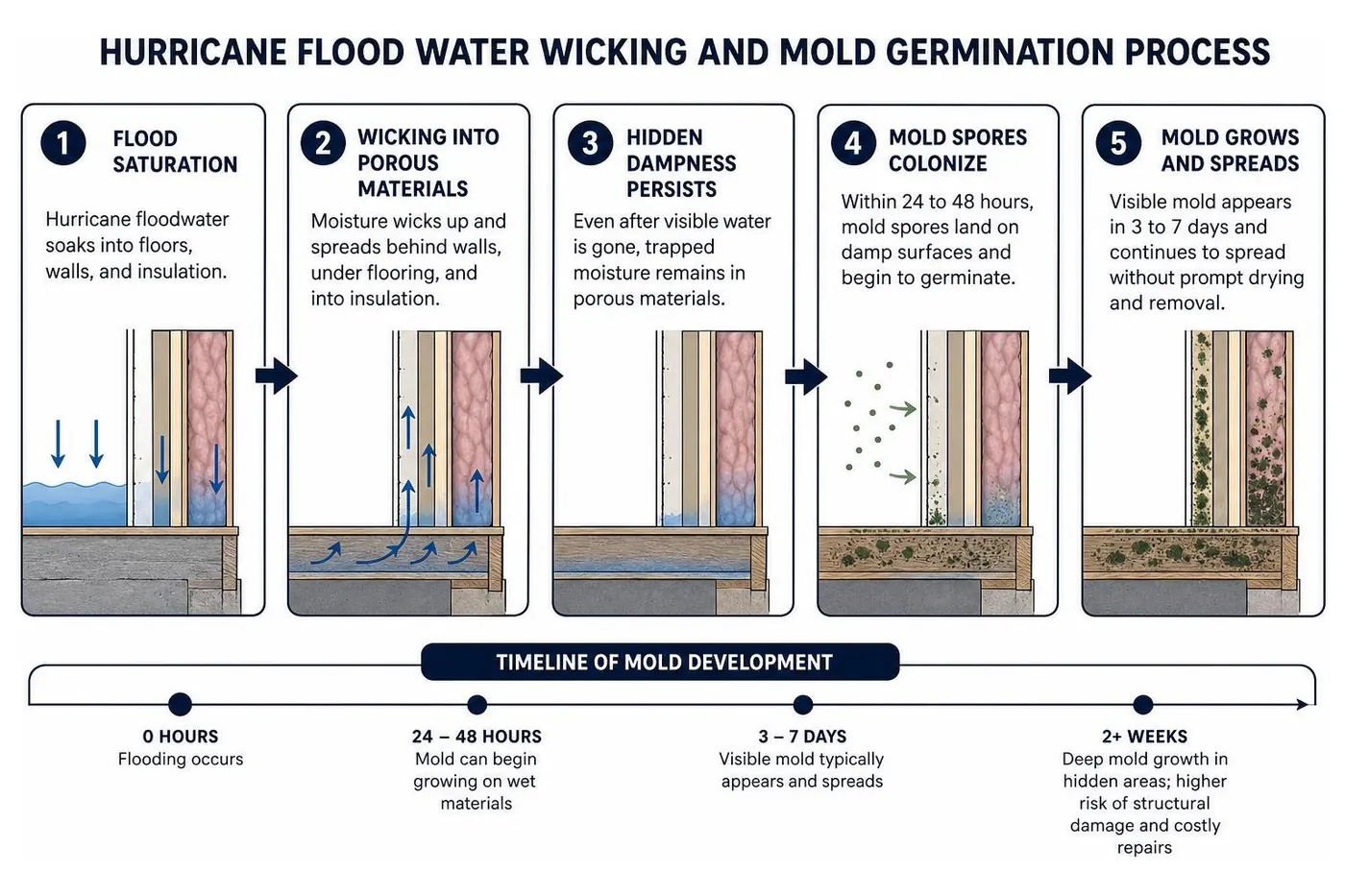
Microbial colonization begins in as little as 24 to 48 hours. Spores land on damp cellulose—like the paper facing on sheetrock, wooden wall studs, and carpet backing—and quickly germinate. Visible clusters typically appear within 3 to 7 days. By the two-week mark, unmitigated structural moisture creates deeply established root networks inside closed wall cavities and beneath floorboards.
To prevent severe structural degradation and high remediation expenses, federal recovery agencies like the Department of Housing and Urban Development emphasize prompt structural dehumidification in their HUD flood cleanup guidelines. Managing airflow and moisture during the initial 48 hours keeps structural dampness below the thresholds that sustain active microbial growth. Understanding initial water damage response steps enables property owners to stabilize the interior environment before secondary microbial damage runs rampant.
Pre-Storm Preparations and Essential Personal Protective Equipment
Protecting your home from hurricane-related moisture begins long before barometric pressure drops. Seasonal preparation keeps vulnerable foundations dry and reduces the chances of long-term fungal growth:
- Foundation and Drainage: Clear gutters, downspouts, and perimeter French drains. Ensure downspout extensions discharge water at least six feet away from exterior foundation walls.
- Sump Pump Maintenance: Test primary sump pumps and install battery-powered or water-powered backup systems to guard against power outages during severe storms.
- Pre-Acquisition of Recovery Equipment: Securing essential supplies before hurricane season saves considerable money. Post-storm demand frequently drives regional equipment prices up by 30% to 50%. Stock up on heavy-duty trash bags, industrial-grade fans, a 50-pint dehumidifier, and a moisture meter early.
Before entering any flooded property, personal safety must come first. Category 3 floodwaters (black water) carry raw sewage, agricultural runoff, heavy metals, and harmful bacteria alongside mold spores.
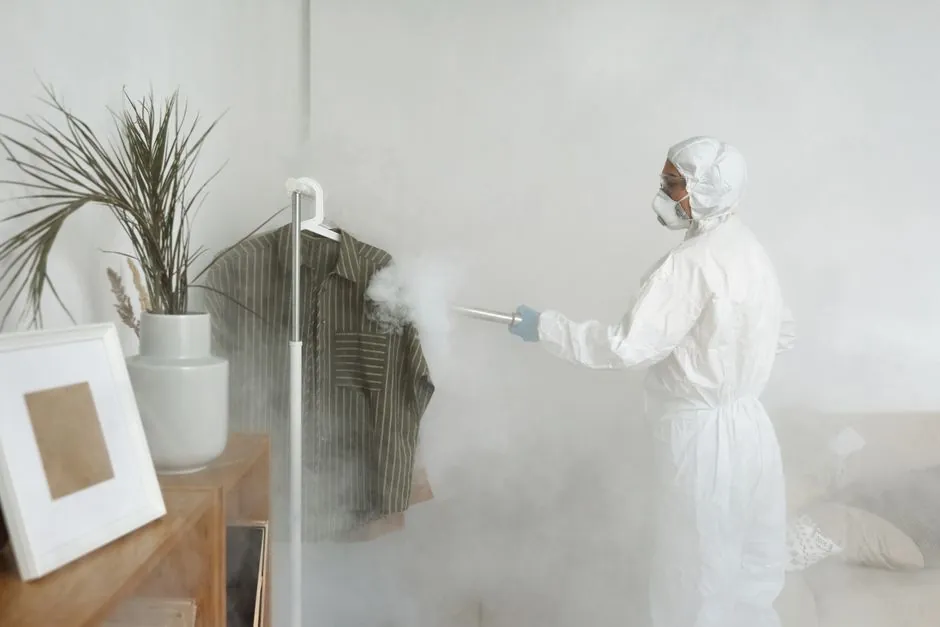
Equip yourself with the following personal protective equipment (PPE):
- Respiratory Protection: Wear a NIOSH-approved N95 particulate respirator at a minimum. For dense, widespread mold, use a half-face negative-air respirator equipped with P100/HEPA filter cartridges.
- Eye Protection: Use unvented safety goggles to shield your eyes from airborne fungal spores and caustic cleaning chemicals.
- Skin and Body Coverage: Wear chemical-resistant nitrile or heavy rubber gloves, puncture-resistant rubber boots, and disposable protective coveralls (such as Tyvek suits) to avoid skin contact with contaminants.
- Structural Safety Gear: Wear a hard hat and check for compromised floor joists, sagging ceilings, or exposed wiring before beginning work.
Emergency Water Extraction and Building Drying Protocols
Immediate Moisture Removal in the First 24 to 48 Hours
The moment local officials declare it safe to return to your property, your primary mission is bulk water removal. Standing water acts as a continuous reservoir that feeds structural dampness and accelerates fungal spore multiplication.
- Extract Bulk Standing Water: Use submersible trash pumps for deep pooling, followed by commercial wet/dry vacuums for residual puddles on concrete or subfloors.
- Establish Airflow Dynamics: If outdoor air is drier than indoor air (humidity below 50%), open windows and place box fans facing outward to exhaust humid air. If outdoor air is hot and saturated with rain, keep exterior doors and windows firmly shut and run mechanical drying equipment indoors.
- Deploy Industrial Dehumidification: Position commercial LGR (Low Grain Refrigerant) dehumidifiers alongside high-velocity axial air movers. These units pull bound moisture out of structural framing and lower relative indoor humidity below the critical 50% threshold.
- Track Structural Moisture Daily: Use a calibrated pin-type moisture meter to check structural wood studs, headers, and subfloors. Do not reinstall insulation or drywall until wood moisture content drops below 15% (ideally between 10% and 12%).
When dealing with deep water intrusion or power grid failures, partnering with a professional water damage restoration team ensures that industrial generators, desiccant drying systems, and truck-mounted extractors are deployed before moisture settles into hidden building assemblies.
Managing Contaminated Drywall, Carpeting, and Insulation
Water does not simply sit at the level it reached on the wall—it wicks upward through porous gypsum board and fiberglass batting like a sponge.
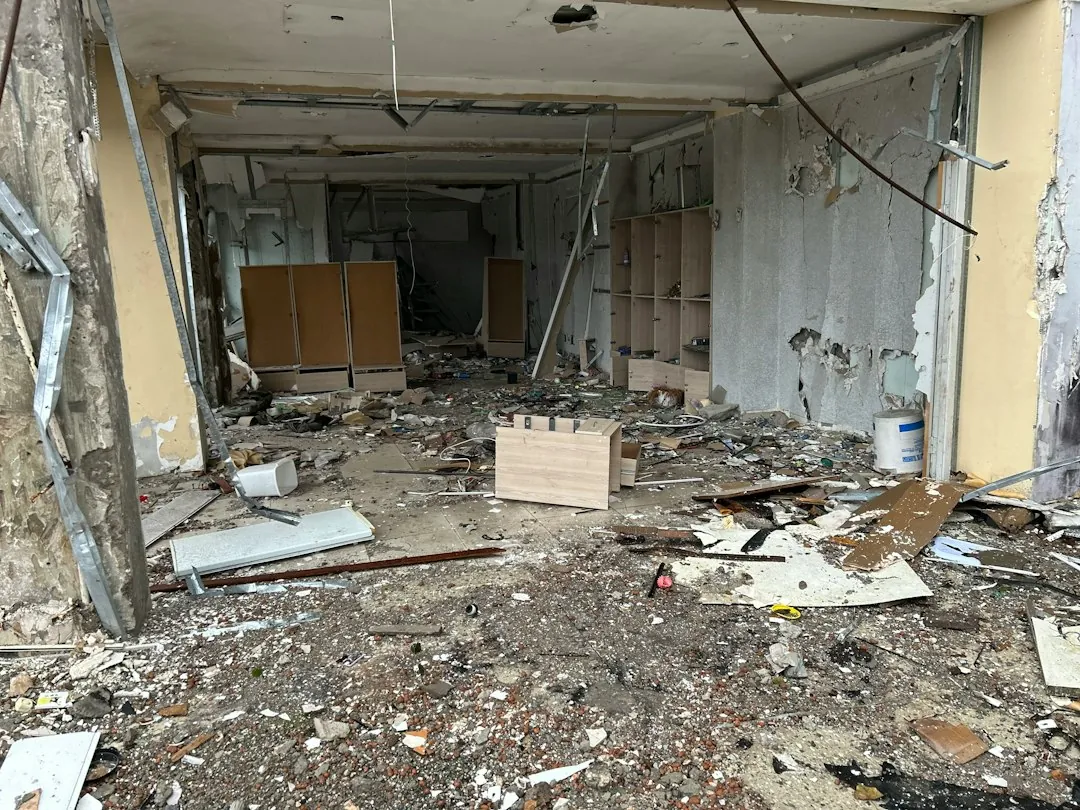
To remove saturated materials and prevent fungal growth behind walls, use the following field standards:
- The 12-Inch "Flood Cut" Rule: Measure the highest visible water mark on your wall. Cut and remove the drywall at least 12 inches above that line. If floodwaters exceeded 2.5 feet, remove the drywall up to 4 feet (or even 8 feet) to allow full ventilation of the wall cavity.
- Discarding Insulation: Fiberglass, cellulose, and mineral wool insulation lose their R-value and retain high moisture loads when wet. Strip all wet insulation out of wall cavities and attic spaces and discard it completely.
- Carpet and Padding Disposal: Porous carpet padding exposed to floodwater cannot be adequately sanitized and must always be removed and discarded. Synthetic carpets soaked by contaminated storm surge must also be removed to access the subfloor beneath.
- Framing Decontamination: Once the wall framing is exposed, scrub the wooden studs with an EPA-registered antimicrobial wash or botanical fungicidal wash. Avoid using standard household bleach on porous wood framing; bleach contains roughly 90% water, which evaporates more slowly than its chlorine component, leaving residual moisture within wood pores that can feed fungal regrowth.
DIY vs. Professional Mold Removal After Hurricane Disasters
Evaluating Contamination Severity and Safety Limits
Not every post-storm cleanup requires an industrial abatement crew, but attempting to clean extensive contamination without proper containment can spread spores throughout unaffected living areas.
| Scenario Factor | DIY Cleanup Feasible | Professional Remediation Required |
|---|---|---|
| Contaminated Surface Area | Less than 10 sq. ft. (isolated patch) | Exceeds 10 sq. ft. to 100 sq. ft. or more |
| Water Source / Category | Clean rainwater from minor roof leak | Storm surge, river flood, sewage backup |
| HVAC System Condition | Completely dry, uncompromised | Ductwork or air handler submerged/damp |
| Occupant Health Status | Healthy adults with full PPE | Asthma, immune-compromised, infants, elderly |
| Structural Compromise | Surface staining on non-porous wood | Swollen load-bearing studs, decaying subfloor |
If microbial colonization exceeds 100 square feet, or if contaminated storm water has infiltrated your central air system, DIY measures are no longer safe. Certified technicians establish strict physical containment zones using 6-mil poly sheeting and negative air machines equipped with true HEPA filtration. This prevents billions of disturbed spores from migrating to clean rooms during demolition.
When facing widespread fungal spread, scheduling certified mold remediation services following a professional mold inspection guarantees that structural drying, physical removal, and antimicrobial sealing meet strict industry safety standards.
Remediation Costs, Red Flags, and Insurance Claim Coverage
The cost of post-hurricane remediation varies based on the size of the affected area, drying time, and the level of water contamination.
| Remediation Scope | Typical Cost Range | Key Inclusions |
|---|---|---|
| Isolated Room / Small Area | $1,200 – $3,750 | Containment, drywall removal, antimicrobial scrub, drying |
| Multi-Room Main Floor | $4,500 – $9,500 | Extensive flood cuts, insulation removal, structural drying |
| Whole-Home Post-Flood | $10,000 – $30,000+ | Full gutting, negative air scrubbers, subfloor treatment |
Note: In the weeks following a widespread hurricane disaster, regional labor and equipment rates can increase by 20% to 40% due to emergency demand.
When selecting a restoration contractor after a disaster, watch out for common industry red flags:
- Unsolicited door-to-door contractors demanding large, upfront cash deposits.
- Lack of IICRC (Institute of Inspection, Cleaning and Restoration Certification) credentials or proper state licensing.
- Contractors who refuse to provide itemized estimates or clear written protocols.
- Promises to "spray away" mold without physically cutting out water-damaged drywall and insulation.
Navigating insurance coverage after a hurricane requires paying close attention to policy terms. Standard homeowners insurance policies typically cover mold damage only if it stems directly from a covered peril, such as wind-driven rain entering through a storm-damaged roof. However, standard policies frequently cap mold remediation payouts between $1,000 and $10,000.
Conversely, policies under the National Flood Insurance Program (NFIP) generally exclude mold damage, as adjusters often argue that post-flood mold results from a failure to inspect and dry the property quickly. Documenting all mitigation steps, saving equipment rental receipts, and taking detailed time-stamped photographs within the first 24 hours are critical steps for supporting your insurance claim, as detailed in our comprehensive hurricane season 2026 mold prevention guide.
Detecting Hidden Moisture and Protecting Indoor Air Quality
Identifying Hidden Mold After the Initial Drying Phase
Just because framing feels dry to the touch does not mean the structure is ready for new drywall. Hidden pockets of moisture often remain trapped behind baseboards, under vinyl flooring, inside floor joist cavities, and around HVAC plenums.
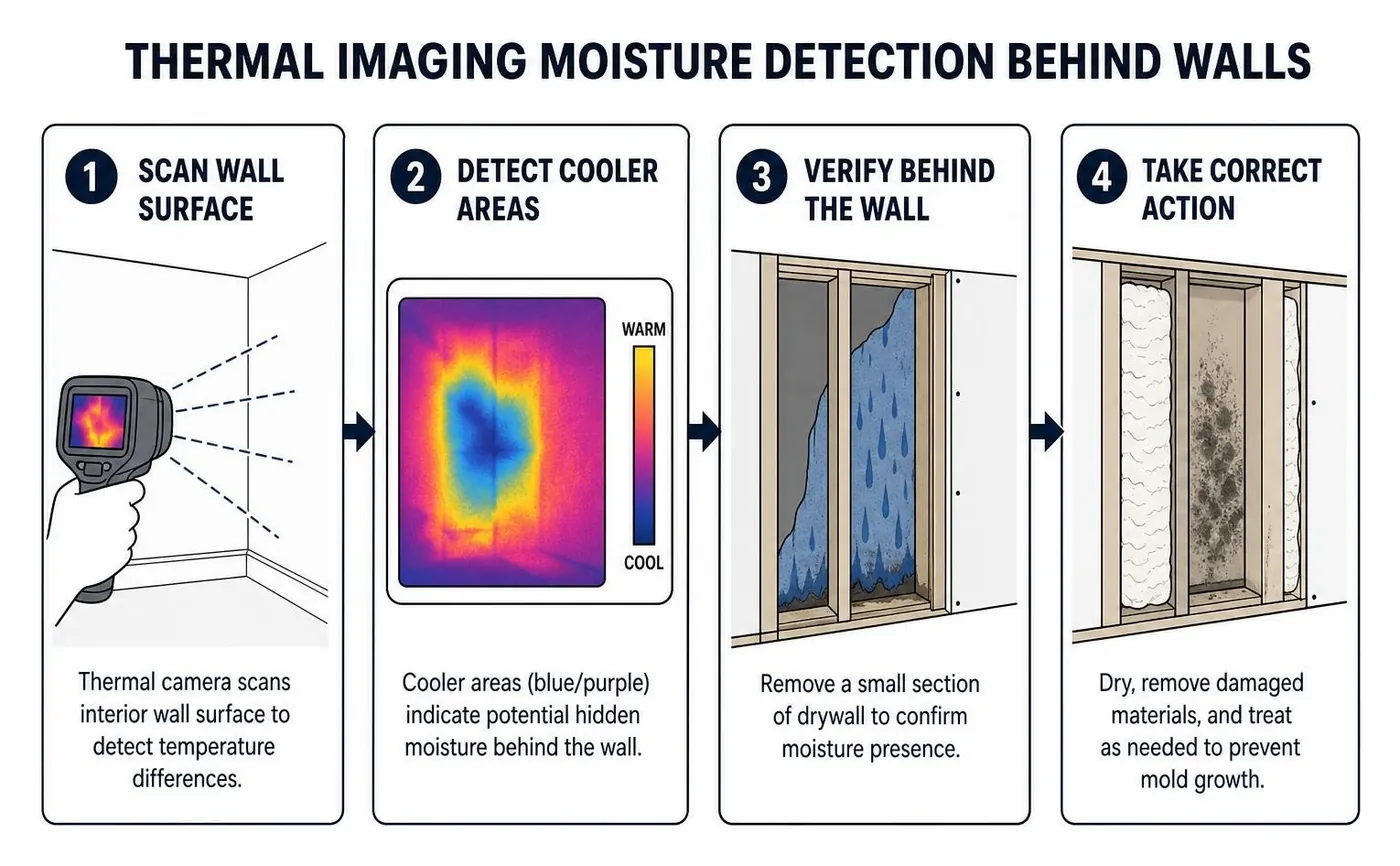
Keep an eye out for these subtle indicators of hidden mold:
- Persistent Musty Odors: A persistent earthy, damp smell that lingers even after surfaces look clean indicates active fungal colonies behind walls or under subfloors.
- Surface Discoloration and Peeling Paint: Bubbling paint, peeling wallpaper, or dark spotting along the lower edges of baseboards indicate trapped moisture.
- Elevated Moisture Readings: Pinless meters run along baseboards can identify wet insulation pockets that visual inspections miss.
Homeowners can learn more about these subtle indicators in our guide on hidden mold identification signs. For definitive confirmation, ordering post-storm mold testing provides laboratory verification that structural cavities are clean and safe for rebuilding.
Assessing Health Hazards and Post-Remediation Air Safety
Flooding combined with microbial growth creates serious indoor air quality hazards. Post-hurricane moisture encourages the growth of species like Aspergillus, Penicillium, Cladosporium, and Stachybotrys chartarum (often called black mold).
Inhaling elevated concentrations of fungal spores, mycotoxins, and microbial volatile organic compounds (MVOCs) can trigger significant health issues:
- Upper Respiratory Symptoms: Persistent nasal congestion, throat irritation, sinus headaches, and coughing.
- Asthma and Allergic Flares: Severe wheezing, shortness of breath, and asthma attacks in sensitive individuals.
- Eye and Skin Irritation: Red, watery, or itchy eyes and contact dermatitis.
- Systemic Reactions: Fatigue, flu-like symptoms, and memory or concentration difficulties following prolonged exposure.
Before moving family members—especially children, elderly relatives, or individuals with respiratory conditions—back into a remediated home, professional clearance testing is essential. Comprehensive indoor air quality testing services compare indoor spore levels to outdoor baselines, giving you verified proof that your home's air is clean, balanced, and safe to breathe.
Frequently Asked Questions About Hurricane Mold Damage
How fast does mold grow after flooding from a hurricane?
Mold can begin germinating within 24 to 48 hours on damp organic materials like drywall, wood framing, and carpet. Visible colonies typically form within 3 to 7 days. Because warm post-storm temperatures speed up spore multiplication, emergency water extraction and dehumidification must begin immediately.
Does standard insurance cover mold removal after a hurricane?
Standard homeowners insurance usually covers mold remediation only if it results directly from a covered peril, like wind-driven rain entering through a damaged roof or broken window. Most policies include a specific mold remediation cap between $1,000 and $10,000. Rising floodwaters require separate flood insurance (such as an NFIP policy), which typically excludes mold remediation, making thorough mitigation documentation critical.
How should flooded drywall and insulation be handled?
All flooded drywall and porous insulation must be removed and discarded. Cut drywall at least 12 inches above the highest visible water mark (the "flood cut"). Remove all wet fiberglass or cellulose insulation inside the exposed wall cavities. Allow the wooden framing to dry thoroughly until its moisture content drops below 15%, then treat it with an EPA-registered antimicrobial spray before installing new materials.
Conclusion
Recovering from hurricane flooding requires quick action, proper safety gear, and structured structural drying. By acting within the critical 24-to-48-hour window, homeowners can halt mold growth, salvage valuable building materials, and avoid tens of thousands of dollars in long-term repairs.
When rising floodwaters, hidden structural dampness, or extensive mold colonies overwhelm your DIY cleanup efforts, professional help is essential. At GM PRO RESTORATION LLC, our team provides honest, root-cause moisture assessments, 24/7 rapid emergency water extraction, and certified remediation protocols.
If your home has suffered storm flooding, contact our local team for dependable Charlotte NC emergency flood and mold restoration, and let us help you restore a clean, safe, and healthy living environment.