
Air Handler Fungus Fixes and System Cleaning Strategies
Mold in HVAC System: Act Fast to Stop the Spread
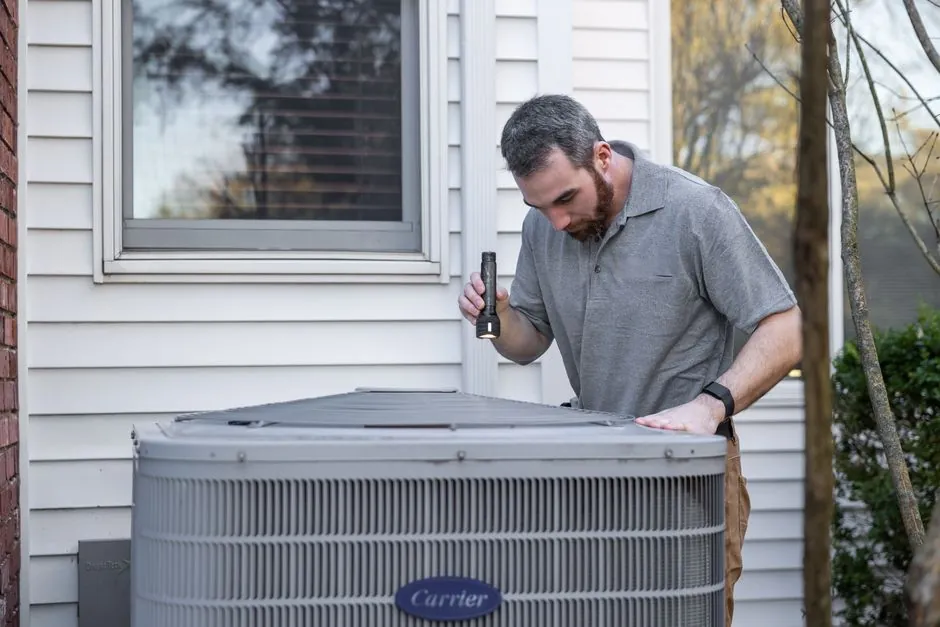
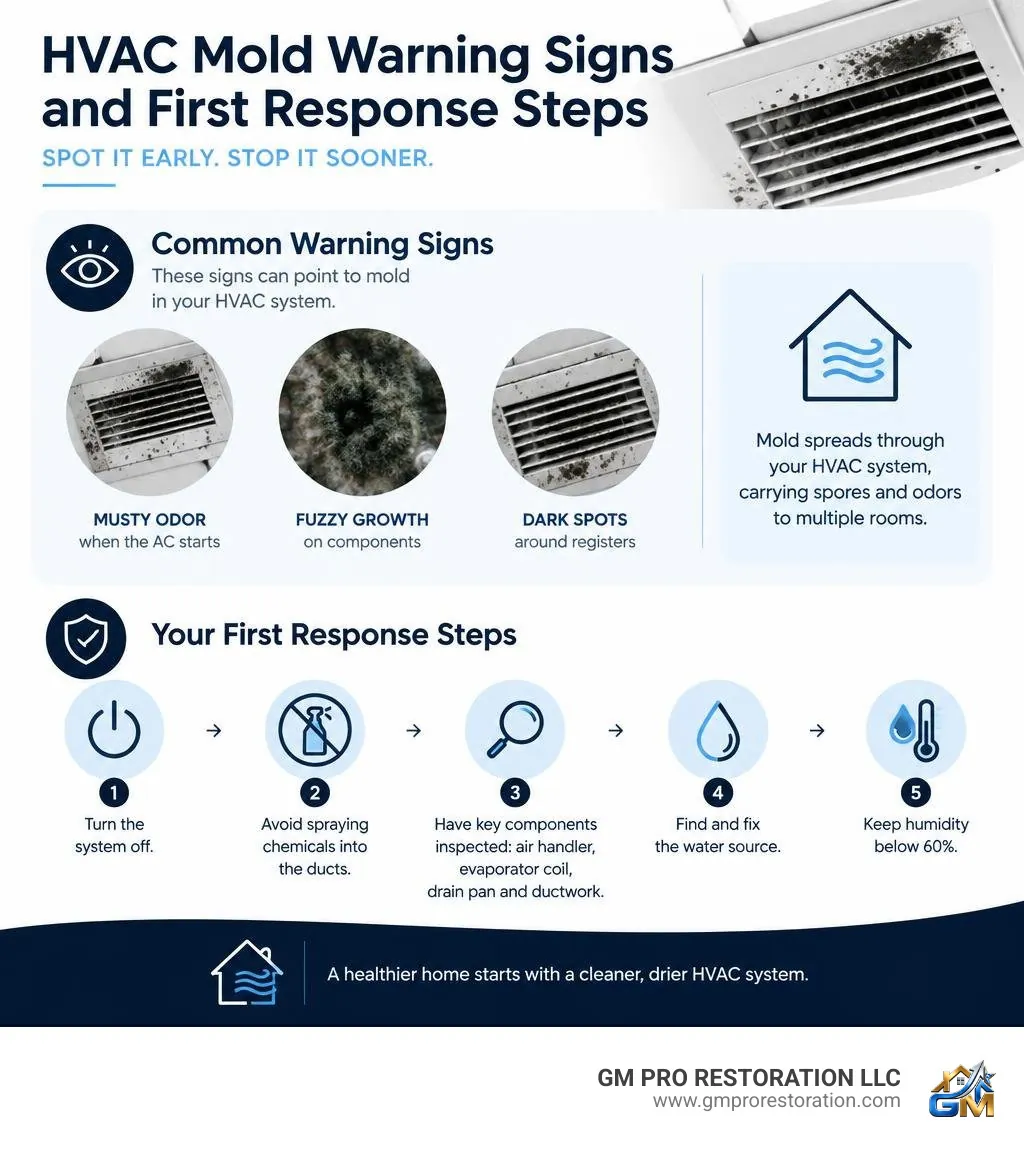
If you suspect mold in an HVAC system, turn the system off, avoid spraying chemicals into the ducts, and have the air handler, evaporator coil, drain pan, and nearby ductwork inspected. A musty odor when the AC starts, fuzzy growth, or dark spots around registers can point to a moisture problem that needs fixing before cleaning begins.
Mold needs moisture, dust, and time. It often starts around a clogged condensate drain, wet coil, overflowing drain pan, leaky duct, or indoor humidity above 60%. Once the system runs, it may carry spores and odors into more than one room.
For Charlotte homeowners, the priority is simple: find the water source, remove contamination safely, and keep humidity under control. Cleaning visible residue without correcting the leak, drainage, or humidity issue can allow mold to return.
Recognizing the Warning Signs of Mold in HVAC System Components
Catching fungal growth early saves thousands of dollars in ductwork repairs and prevents widespread indoor air contamination. According to EPA indoor air quality research, approximately 45% of U.S. homes have detectable mold contamination inside their HVAC systems. Because these systems move hundreds of cubic feet of air every minute, any colony living in the air handler or trunk line can quickly distribute microscopic spores throughout your living space.
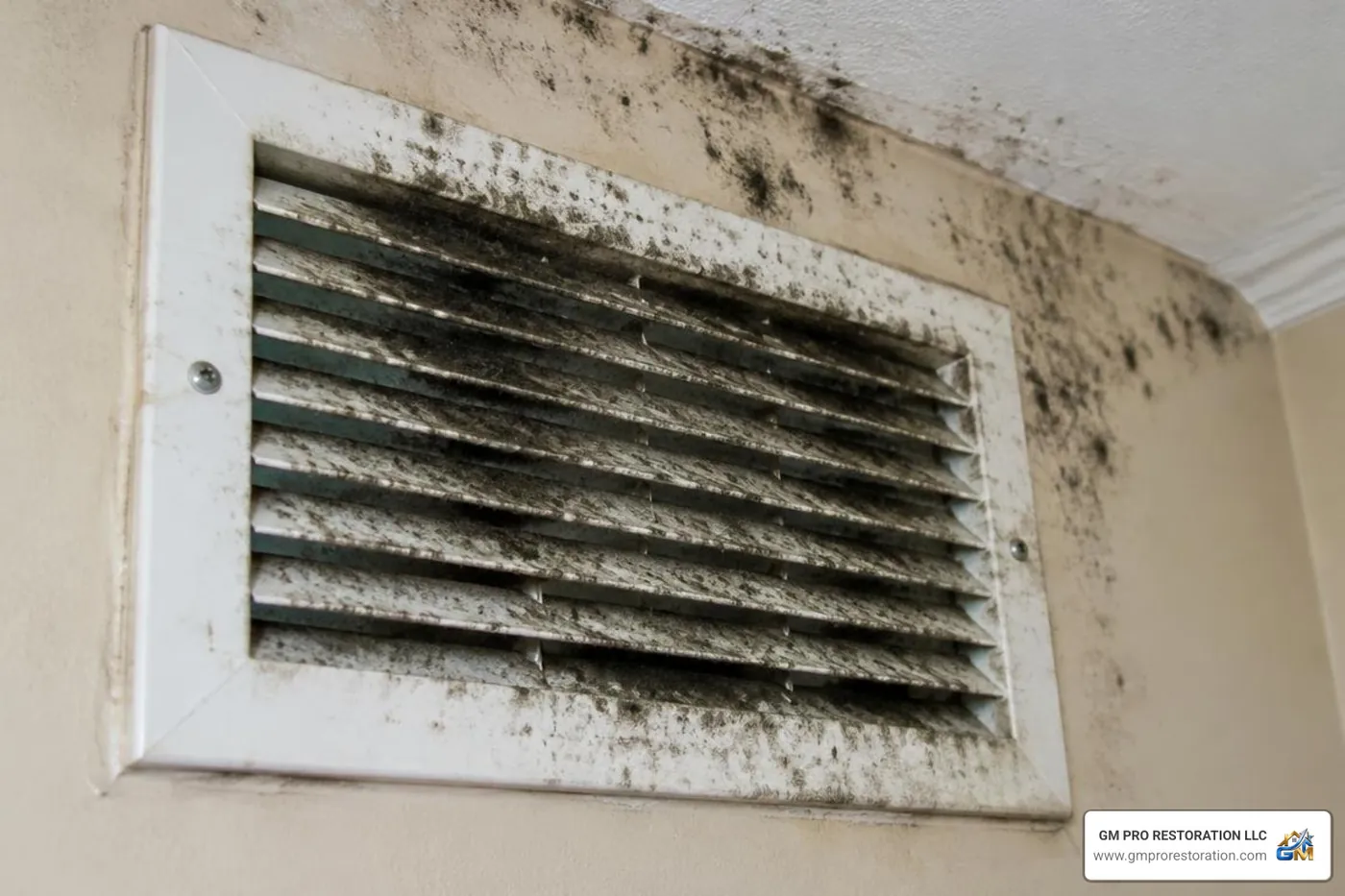
Homeowners often confuse common household dust with active microbial growth. The average six-room home generates roughly 40 pounds of dust annually, and much of that settles around supply registers and return grilles. Dust looks dry, powdery, and uniform, wiping away cleanly with a dry rag. Mold, by contrast, appears as irregular, fuzzy, or velvety patches in shades of black, green, brown, or white. If you are unsure what is clinging to your vents, reviewing our guide on how to tell if you have mold can help you spot the difference before taking action.
Musty Odors and Visual Contamination in Ductwork
The earliest and most reliable warning sign is a damp, earthy, or locker-room odor that surges when your heating or cooling system kicks on. When fungal colonies digest settled organic dust within dark, damp air passages, they release microbial volatile organic compounds (mVOCs). If the smell disappears when the blower turns off and intensifies when air flows, the contamination is almost certainly inside the air handler, plenum, or duct boots.
Visual contamination requires thorough investigation. While surface discoloration on register louvers is easy to spot, extensive growth usually hides inside the mechanical components. Our technicians use high-resolution borescopes to inspect hidden internal duct walls and air handler chambers. When visual indicators are inconclusive, professional indoor air quality testing establishes baseline airborne spore counts and identifies specific fungal strains.
Health Risks and Symptoms Linked to Mold in HVAC System Airflow
Running a contaminated HVAC system turns your ductwork into an active spore-distribution machine. Dampness and mold in homes contribute to an estimated 4.6 million asthma cases nationwide, and exposure frequently causes persistent upper respiratory irritation, sinus congestion, itchy eyes, skin rashes, and unexplained headaches.
For vulnerable occupants—including infants, the elderly, and immunocompromised individuals—the stakes are higher. Extended exposure to toxigenic species such as Stachybotrys chartarum, Aspergillus, or Penicillium can trigger hypersensitivity pneumonitis or severe asthmatic episodes. Research highlights that comprehensive mold remediation achieves a 21% reduction in asthma-related emergency room visits. Recognizing these health patterns early and referencing guides on mold detection in HVAC ductwork helps ensure prompt intervention before minor allergies turn into chronic health conditions.
Root Causes of HVAC Fungal Growth and Moisture Imbalance
Mold spores exist naturally in outdoor and indoor air. However, they remain dormant until they land on a surface offering organic matter and moisture. Once relative humidity (RH) crosses 60%, mold colonies can establish themselves on damp surfaces in as little as 24 to 48 hours. When dust—which is full of skin cells, cellulose fibers, and soil particles—accumulates inside an unmaintained air handler, it provides the perfect food source.
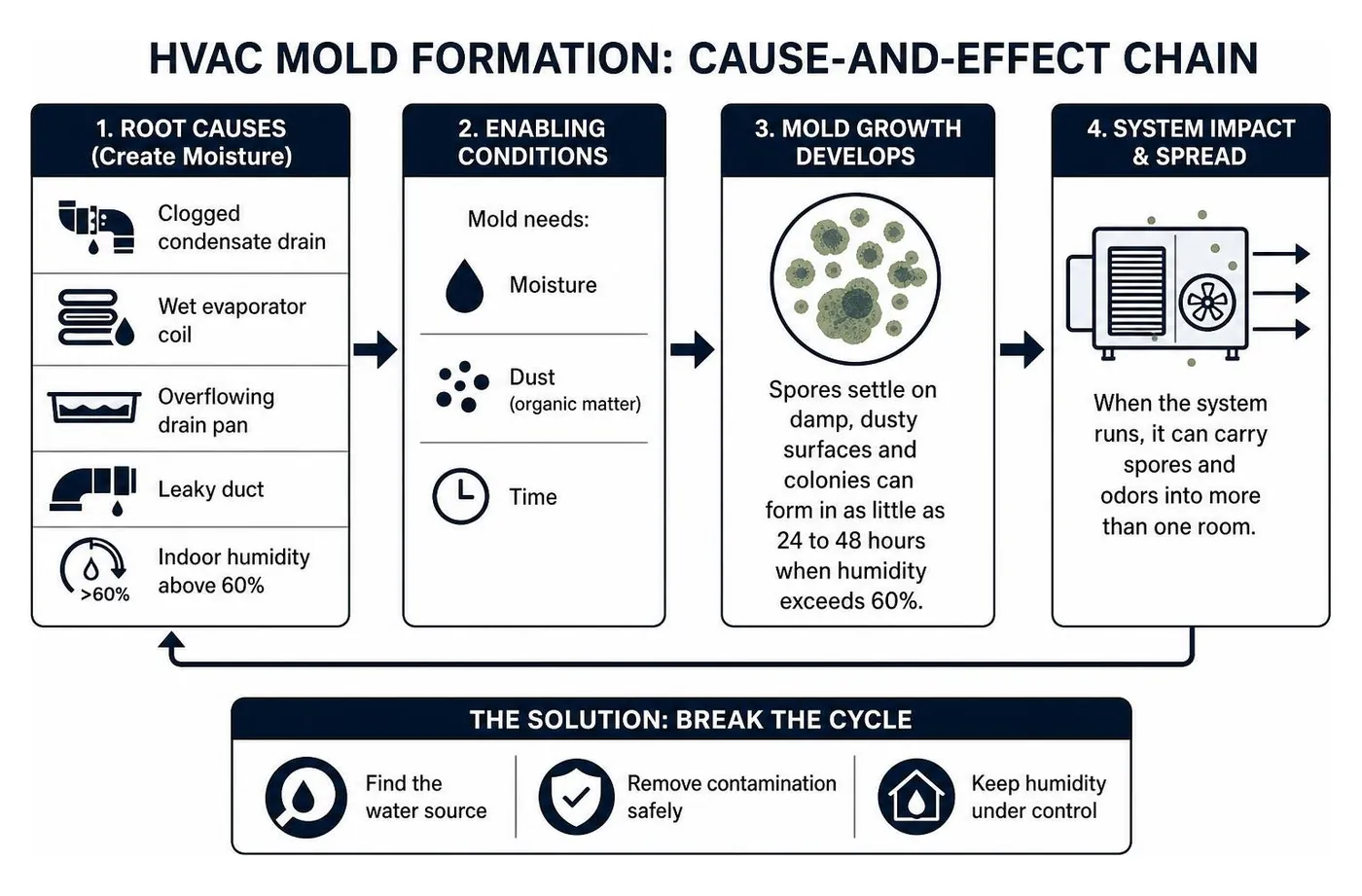
Without moisture control, cleaning up the fungus is only a temporary fix. Professional mold inspection services focus heavily on finding the mechanical and environmental conditions allowing water to pool or condense within the air distribution network.
Evaporator Coils, Drain Pans, and Condensation Traps
The cooling process produces significant amounts of moisture. In humid climates, a properly functioning 3-ton air conditioner extracts 15 to 20 pints of water per hour from indoor air. This moisture condenses on the cold evaporator coil fins and drains into a collection pan before exiting through a PVC drain line.
Problems arise when this drainage system fails:
- Clogged Condensate Lines: Roughly 45% of HVAC systems experience a clogged drain line over a 5-year period due to algae and sediment buildup.
- Drain Pan Overflow: Standing water in a rusted or misaligned drain pan creates a breeding ground for microbial slime.
- Dirty Evaporator Fins: Dust buildup on cold coil fins traps moisture and provides an immediate nutrient base for fungal colonization.
When water cannot flow freely out of the building, the air handler becomes a humid incubator. Industry resources like this HVAC ductwork mold guide emphasize that repairing drainage defects must always be the first step in any remediation plan.
System Oversizing, Duct Leakage, and High Humidity
Oversized air conditioning units are a widespread, hidden cause of duct moisture. When an AC unit is too large for a home, it cools the space rapidly and shuts off before completing a full dehumidification cycle. This "short-cycling" leaves indoor relative humidity elevated while the ducts stay cold and damp.
Duct leakage compounds the issue. The average home loses 20% to 30% of conditioned air through tears, poorly sealed joints, and gaps in the ductwork. When supply ducts running through hot, unconditioned attics or crawlspaces leak, warm humid air gets pulled inside. The temperature difference causes condensation along the duct walls—creating ideal conditions for mold growth. When diagnosing these complex moisture imbalances, understanding the differences between a visual mold inspection vs mold testing is essential for developing a targeted solution.
Professional Remediation Standards and Duct Cleaning Strategies
Properly removing mold from mechanical ventilation systems requires strict adherence to industry standards, specifically the National Air Duct Cleaners Association (NADCA) ACR Standard and the Institute of Inspection, Cleaning and Restoration Certification (IICRC) S520 Standard for Professional Mold Remediation.
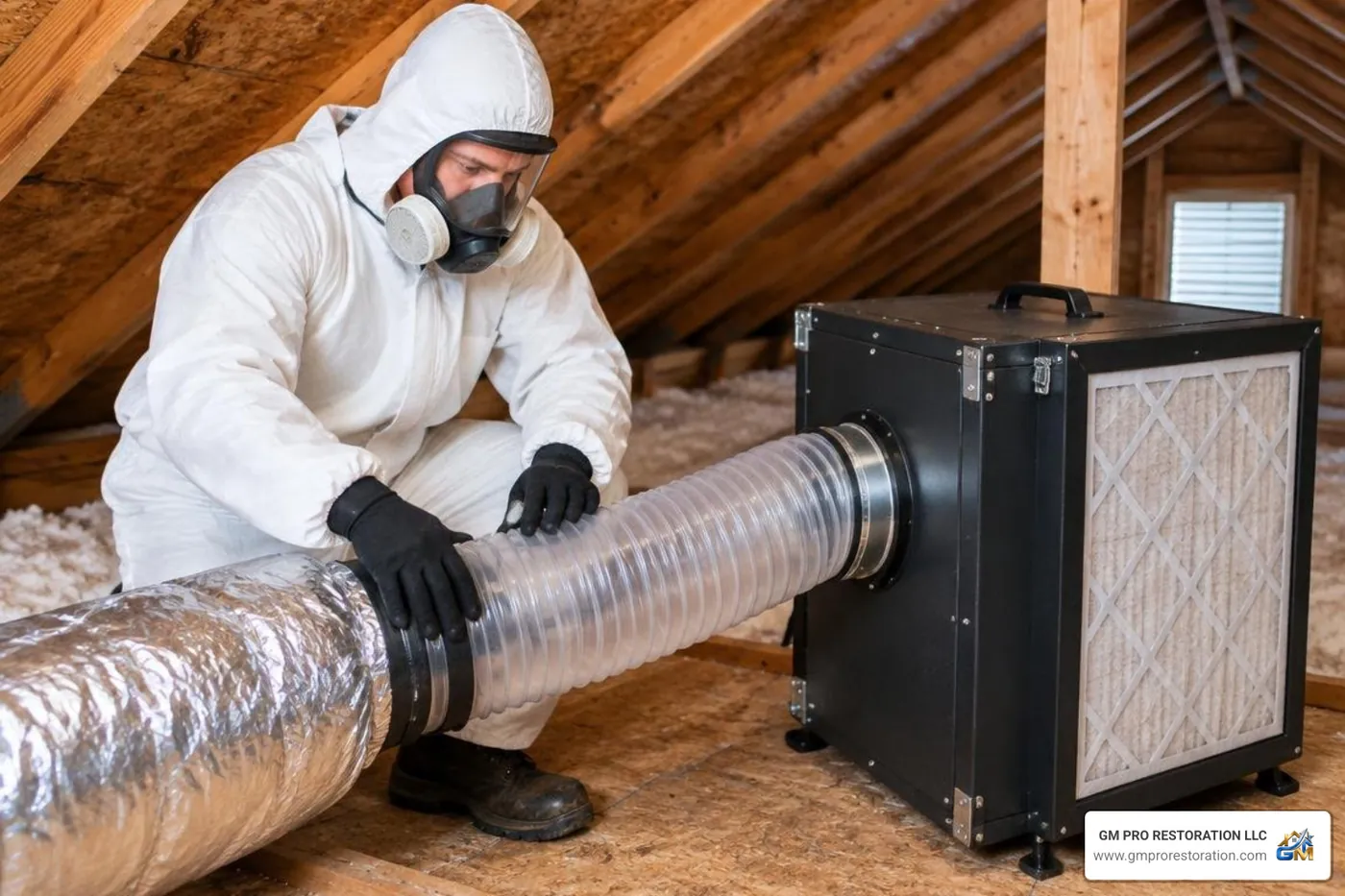
Never attempt to clean extensive duct mold with household bleach or generic biocides. Bleach adds unnecessary water to porous materials, releases corrosive fumes that damage metal components, and fails to eradicate deep fungal root structures. Effective remediation demands full containment, continuous negative air pressure, and certified HEPA filtration to prevent dislodged spores from escaping into occupied living areas. When you need comprehensive support, hiring certified mold remediation services ensures the work meets every regulatory and safety benchmark.
Material Suitability: Sheet Metal vs. Flex and Fiberglass Liners
How you treat contaminated ductwork depends entirely on the material. Non-porous surfaces can be cleaned and sanitized, but porous materials that have absorbed fungal roots cannot be safely restored.
| Duct Material Type | Porosity Level | Approved Remediation Action | Replacement Required? |
|---|---|---|---|
| Bare Sheet Metal | Non-porous | Mechanical brushing, HEPA vacuuming, EPA-registered sanitization | No (unless severely corroded) |
| Flexible Ductwork (Flex Duct) | Semi-porous / Thin Core | Surface wiping of wire helix is ineffective once spores penetrate inner liner | Yes — cost-effective and safer to replace |
| Fiberglass Duct Board | Highly porous | Fibers trap fungal roots; mechanical agitation destroys structural integrity | Yes — cannot be restored to hygienic standards |
| Internal Fiberglass Liner | Highly porous | Moisture and dust embed deeply into acoustic insulation | Yes — strip liner or replace duct section |
Biocide sprays alone are never an acceptable substitute for physical removal. While an antimicrobial spray may kill active cells, dead mold fragments, mycotoxins, and structural allergens remain biologically active and continue to trigger severe reactions until physically removed.
Protocol for Removing Mold in HVAC System Ducts and Handlers
Professional remediation follows a systematic, multi-phase protocol to guarantee clean, safe results:
- System Shutdown & Containment: The HVAC unit is powered down. Supply and return registers are sealed with poly sheeting, and negative air machines with HEPA filters are connected to create continuous negative pressure.
- Access & Mechanical Agitation: Technicians make sealed access ports in the trunk lines. Rotary brushes, air whips, and compressed air nozzles dislodge adhered debris and mold colonies, driving them toward the HEPA vacuum collector.
- Air Handler Decontamination: The blower assembly, housing, evaporator coil, and condensate pan are washed, degreased, and treated with EPA-registered antimicrobials designed for HVAC systems.
- Porous Material Replacement: Contaminated flex runs and mold-damaged fiberglass liners are bagged under containment, removed, and replaced with clean materials.
- System Sanitization & Resealing: All access panels are mechanically fastened, sealed with foil-backed mastic tape to prevent leakage, and treated as part of our full suite of mold services.
Long-Term Prevention, Air Treatment, and Maintenance Protocols
After your air distribution system has been cleaned, a proactive maintenance routine is vital to keep mold from returning. The goal is simple: eliminate standing water, keep indoor humidity below 50%, and filter out the dust that mold relies on for nutrients.
To track air quality trends or confirm your home remains clear, consider scheduling periodic mold testing services. Consistent monitoring helps identify early moisture anomalies before new colonies take hold.
UV-C Germicidal Systems and Filtration Upgrades
Ultraviolet germicidal irradiation (UV-C) is an effective supplemental defense for residential HVAC systems. Installed near the evaporator coil and drain pan, UV-C lamps operating at a 254-nanometer wavelength scramble microbial DNA, achieving up to a 99%+ mold spore inactivation rate on surfaces under constant exposure.
However, UV lights are not a standalone fix:
- Surface Disinfection: UV-C excels at keeping the wet evaporator coil and drain pan free of slime and mold growth.
- Airstream Limitations: Spores moving past a lamp at 1,500 feet per minute receive only a fraction of a second of exposure, which may not deactivate every spore.
- Filtration Upgrades: Pair UV-C lamps with high-efficiency pleated filters rated MERV 11 to 13. These filters capture microscopic spores and fine particulate matter before they settle on internal components. Change standard filters every 60 to 90 days—or every 30 days in homes with pets.
Moisture Management and Scheduled Inspections
Controlling moisture is the single most important step in long-term mold prevention. Keep your system protected with these best practices:
- Flush the Condensate Line: Clear the drain line quarterly with distilled white vinegar or an approved drain pan treatment tablet to stop algae buildup.
- Maintain Indoor Relative Humidity: Use a dedicated whole-home dehumidifier to keep indoor RH between 30% and 50% year-round, especially during humid summer months.
- Seal Ductwork: Apply mastic paste or professional aerosol sealant to joints and seams. Sealing leaks keeps moist attic and crawlspace air from being drawn into the conditioned air stream.
- Schedule Bi-Annual HVAC Inspections: Have a licensed technician clean the coils, inspect electrical contacts, measure static pressure, and verify proper refrigerant charge before heating and cooling seasons begin. Homeowners throughout the metro area can count on our specialized Charlotte NC mold testing team for honest, root-cause diagnostic assessments.
Frequently Asked Questions About HVAC Mold Remediation
Does Homeowners Insurance Cover Air Duct Mold Removal?
Insurance coverage depends on the underlying cause of the moisture damage. Standard policies typically cover mold remediation only if it results directly from a covered, "sudden and accidental" peril—such as a ruptured water heater, burst supply pipe, or severe storm damage.
Policies almost always exclude mold resulting from long-term deferred maintenance, slow condensate pan leaks, unsealed duct condensation, or chronic high indoor humidity. When filing an eligible claim, thorough diagnostic reports and photo documentation are essential. Homeowners in the northern border area can utilize our Fort Mill SC mold testing services to generate the necessary clearance and diagnostic documentation for adjusters.
How Much Does HVAC Mold Remediation Cost in 2026?
Remediation costs vary depending on the severity of contamination, system accessibility, and whether duct replacement is required. Most homeowners pay between $1,125 and $3,439 for professional mold removal, with a national average of approximately $2,254.
Common cost breakdowns for 2026 include:
- NADCA-Standard Duct Cleaning & Antimicrobial Treatment: $500 to $1,200 for an average 1,500–2,500 sq. ft. home.
- Air Handler & Evaporator Coil Deep Remediation: $400 to $1,000 depending on accessibility and fouling.
- Full Flex Duct Replacement: $3,500 to $8,000 for complete removal and new installation across an entire residential home.
Be cautious of "blow-and-go" duct cleaners advertising whole-house services for $99 to $199. These operators frequently use weak vacuums that stir up spores without capturing them, skip containment protocols, and upsell unneeded, uncertified chemical sprays.
What Post-Remediation Testing Confirms the System Is Clean?
Post-remediation verification (clearance testing) provides objective proof that your HVAC system and living areas are safe. An environmental inspector conducts air spore trap sampling at supply registers, return grilles, and central living areas while the blower runs.
To pass clearance:
- Total indoor airborne spore counts must be comparable to or lower than outdoor baseline levels.
- The indoor air must show no disproportionate amplification of opportunistic or toxigenic species (such as Stachybotrys, Chaetomium, or Aspergillus/Penicillium).
- A visual borescope inspection must confirm the ductwork is free of visible dust, biological residue, and structural damage.
For property owners throughout York County, our dedicated Rock Hill SC mold testing division provides independent post-remediation clearance testing to give you complete peace of mind.
Conclusion
A clean, mold-free HVAC system is essential for maintaining healthy indoor air quality. Ignoring musty odors or visible residue can allow fungal colonies to spread throughout your living spaces, worsening respiratory issues and leading to expensive structural repairs.
By identifying the underlying moisture source, using proper containment, following NADCA and IICRC cleaning protocols, and keeping humidity under control, you can restore your home's air distribution network for good. When you need dependable diagnostic inspections, 24/7 emergency response, and honest assessments, turn to our team for expert mold remediation in Charlotte, NC to protect your home and family.