
What a Home Air Monitor Detects, and What It Misses
Understanding Common Residential Air Contaminants
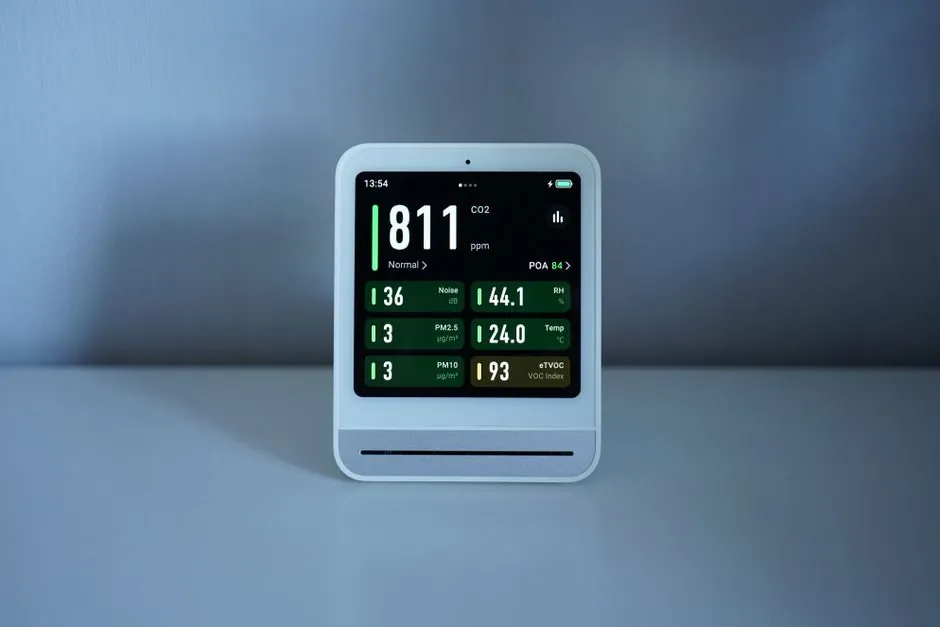
A home air quality monitor is a multi-sensor device that continuously tracks key pollutants—including fine particulate matter (PM2.5), total volatile organic compounds (TVOCs), carbon dioxide (CO2), and relative humidity—so you can identify and reduce airborne risks before they affect your family's health. Everyday indoor living produces a wide range of airborne contaminants. We spend up to 90% of our time indoors, where pollutant concentrations can run two to five times higher than outdoor air. Understanding what circulates through your living space is the first step toward creating a safer environment.
Indoor air quality challenges stem from three main categories: physical particulates, chemical gases, and biological agents. Microscopic particles enter living spaces via outdoor air infiltration, cooking, burning candles, and wood-burning fireplaces. Chemical vapors off-gas continuously from modern building materials, synthetic carpets, paints, varnishes, and household cleaning chemicals. Meanwhile, biological contaminants thrive whenever indoor humidity levels drift out of balance.
Managing these contaminants requires monitoring specific environmental parameters that influence how pollutants behave:
- Particulate Matter (PM): Microscopic solid or liquid droplets suspended in the air, categorized by aerodynamic diameter (PM10, PM2.5, and PM1.0).
- Volatile Organic Compounds (VOCs): Carbon-based chemicals that evaporate easily at room temperature, releasing vapors into living areas.
- Carbon Dioxide (CO2): A natural byproduct of human respiration that accumulates rapidly in sealed, energy-efficient homes without adequate fresh-air exchange.
- Relative Humidity (RH): The ratio of moisture in the air relative to the maximum amount the air can hold at a given temperature. Keeping indoor RH strictly between 30% and 50% discourages dust mites and microbial growth.
What the Sensors Actually Detect
A modern consumer air monitor relies on compact internal sensors to sample ambient air continuously. Devices like the 8-in-1 Smart Indoor Air Quality Monitor with Wi-Fi – AcuRite and the Temtop M10+ WIFI Air Quality Monitor, Rechargeable CO2 Detector with P bring multi-parameter tracking directly to your smartphone.
Fine particulate matter (PM2.5) consists of particles 2.5 micrometers in diameter or smaller—roughly 30 times thinner than a human hair. These fine particles bypass the body's natural respiratory filters, penetrating deep into the lungs and entering the bloodstream. Elevated PM2.5 exposure triggers asthma attacks, eye irritation, and chronic cardiovascular strain.
Chemical vapors, measured as Total Volatile Organic Compounds (TVOC), include solvents like benzene, toluene, and xylene. Specialized units also capture formaldehyde (HCHO), an off-gassing vapor common in pressed-wood cabinetry and flooring adhesives. When chemical concentrations rise, building occupants frequently experience headaches, dizziness, and throat irritation. Tracking these spikes helps identify whether new furnishings or cleaning sprays are degrading your indoor air.
Biological Hazards and Microbial Contamination
While electronic sensors excel at detecting general particulates and gases, biological hazards require distinct attention. Excess humidity, plumbing leaks, and structural condensation create breeding grounds for mold colonies, bacteria, and dust mite populations.
When mold establishes itself on drywall, subflooring, or HVAC ductwork, it releases thousands of microscopic fungal spores and volatile microbial organic compounds (mVOCs). In severe infestations involving damp cellulose materials, certain species produce mycotoxins that heighten allergic responses and respiratory illness.
Because standard consumer counters register mold spores merely as generic dust particles without identifying their biological nature, homeowners must recognize structural warnings. Learning the best practices for identifying the signs of hidden household mold helps protect your property against structural decay. If you suspect an active microbial issue behind walls or under flooring, pairing home sensor observations with targeted laboratory mold testing delivers verified spore identification and exact concentration counts.
Device Types: Single-Purpose Tools vs. Multi-Sensor Hubs
Navigating consumer air monitoring devices means choosing between single-purpose tools and integrated multi-sensor platforms. Single-parameter tools—such as dedicated carbon monoxide alarms or portable laser particle counters—offer deep focus on a single threat. However, multi-sensor desktop units are far more practical for day-to-day residential management.
Advanced units like the uHoo Indoor 9-in-1 Smart Air Quality Monitor — Rise track up to nine distinct environmental parameters, including CO2, PM2.5, ozone, air pressure, and ambient chemicals. Similarly, the Air Quality Monitor For Your House | Awair Element focuses on core indoor health indicators (PM2.5, TVOCs, CO2, temperature, and humidity), translating raw readings into an intuitive 0–100 indoor air index.
| Monitor Model | Core Sensors Included | Connectivity & Logging | Battery / Power Source | Primary Use Case |
|---|---|---|---|---|
| AcuRite 8-in-1 Smart Monitor | PM1.0, PM2.5, PM10, CO2, HCHO, TVOC, Temp, RH | 2.4 GHz Wi-Fi, AcuRite NOW App, 5-min logging intervals | AC Adapter with backup rechargeable battery | Comprehensive continuous household tracking |
| Temtop M10+ | PM2.5, TVOC, CO2, AQI, Temp, RH | Wi-Fi & Bluetooth, App exportable data curves | 2200 mAh Rechargeable (up to 40 days on eco mode) | Flexible desktop or mobile room-to-room audits |
| uHoo Smart Monitor | PM2.5, TVOC, CO2, CO, Ozone, NO2, Air Pressure, Temp, RH | Wi-Fi, Alexa & Google Home Smart Integrations | Continuous AC Power Supply | Whole-home automation and multi-pollutant diagnostics |
| Awair Element | PM2.5, TVOC, CO2, Temp, RH | 2.4 GHz Wi-Fi & Bluetooth, Real-time push alerts | Continuous USB-C / AC Power | Living spaces, home offices, and nursery air balancing |
Placing and Calibrating the Monitor
A monitor is only as helpful as the data it collects. Improper placement produces skewed readings that fail to reflect what your family breathes every day.
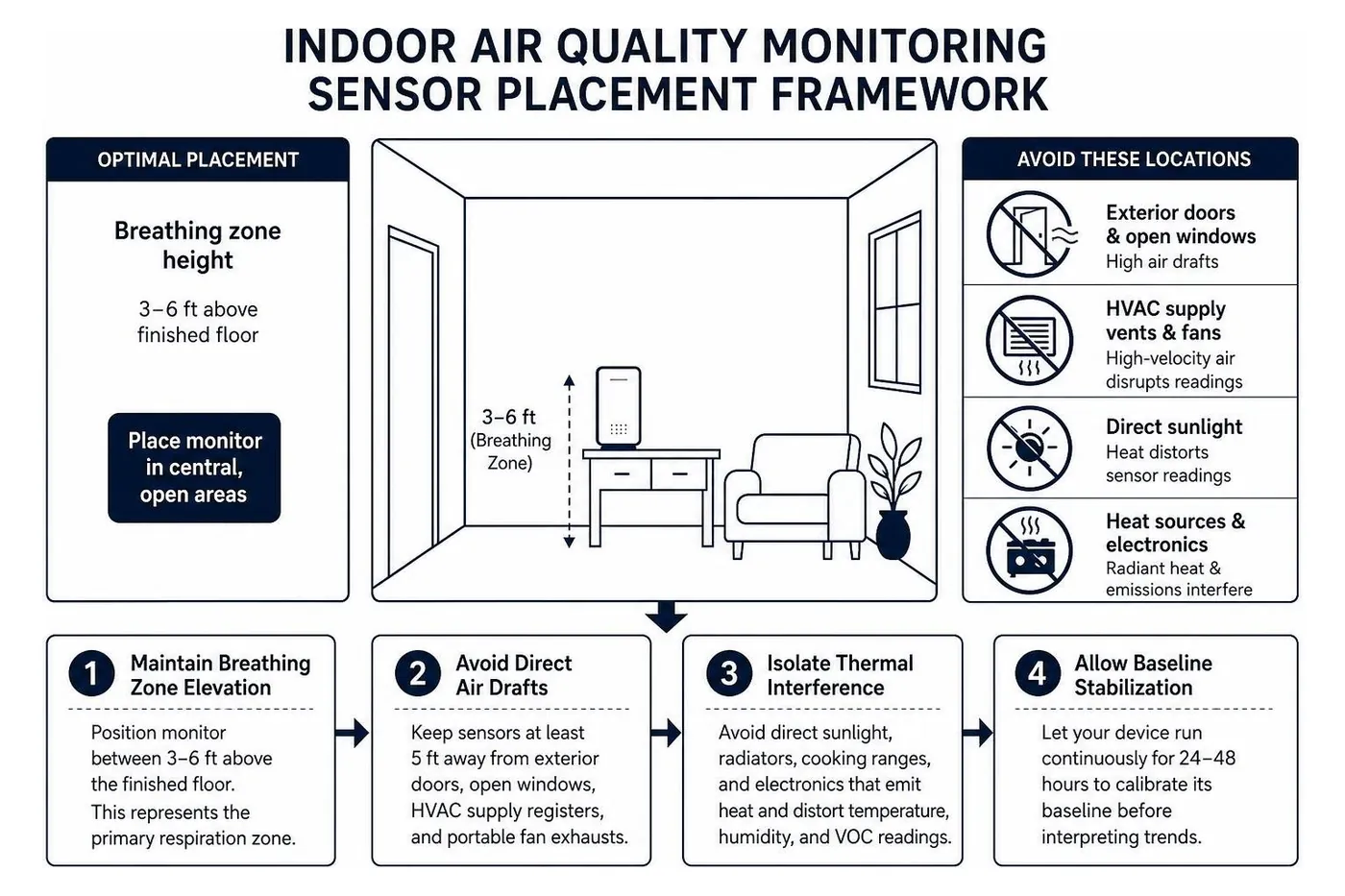
- Maintain Breathing Zone Elevation: Position your monitor between three and six feet above the finished floor. This height represents the primary respiration zone for seated and standing occupants.
- Avoid Direct Air Drafts: Keep sensors at least five feet away from exterior doors, open windows, HVAC supply registers, and portable fan exhausts. High-velocity air currents disrupt optical particle counters and cause false dilution readings.
- Isolate Thermal Interference: Direct sunlight, radiators, cooking ranges, and electronics emit localized heat that distorts temperature, relative humidity, and VOC readings.
- Allow Baseline Stabilization: Modern electrochemical and metal-oxide semiconductor sensors require an initial burn-in period. Let your device run continuously for 24 to 48 hours to calibrate its baseline before interpreting trends.
Consumer Monitors vs. Professional Diagnostic Testing
Consumer desktop monitors provide helpful continuous qualitative feedback. When someone fries food or paints a doorway, real-time index numbers alert you to adjust ventilation. However, consumer-grade monitors have notable technical limitations compared to professional diagnostic equipment.
Consumer optical sensors estimate particle counts by passing air through a small chamber and measuring light scattered by passing dust. These compact sensors cannot distinguish harmless flour dust or steam droplets from dangerous crystalline silica, asbestos fibers, or toxic fungal spores. Furthermore, low-cost metal-oxide TVOC sensors react broadly to benign substances like rubbing alcohol or citrus peels, but cannot separate hazardous benzene from harmless cooking aromas.
Professional testing relies on calibrated equipment, calibrated airflow pumps, and laboratory assays:
- Calibrated Spore Trap Cassettes: Precision pumps pull calibrated volumes of air across specialized adhesive slides to capture physical spores for direct microscopic analysis.
- Mass Spectrometry & Gas Chromatography (GC-MS): Air samples collected in thermal desorption tubes undergo formal laboratory breakdown to pinpoint individual chemical compounds down to parts-per-billion (ppb) concentrations.
- Thermal Imaging & Moisture Mapping: Non-invasive structural testing locates hidden water intrusion inside wall cavities, crawlspaces, and ceiling assemblies before visible surface damage appears.
If you are dealing with chronic health symptoms, persistent unexplained odors, or past plumbing leaks, relying solely on consumer gadgets leaves blind spots. We deliver comprehensive indoor air quality testing across the greater Charlotte region, providing detailed environmental assessments for homeowners seeking clear answers:
- Indoor Air Quality Testing Charlotte NC
- Indoor Air Quality Testing Concord NC
- Indoor Air Quality Testing Gastonia NC
- Indoor Air Quality Testing Huntersville NC
- Indoor Air Quality Testing Indian Trail NC
- Indoor Air Quality Testing Matthews NC
- Indoor Air Quality Testing Pineville NC
- Indoor Air Quality Testing Fort Mill SC
- Indoor Air Quality Testing Rock Hill SC
Evaluating Differences Between Visual Inspections and Air Sampling
Homeowners often ask whether they should order an air test or an on-site physical inspection. While air sampling measures airborne particle concentrations at a single moment, a thorough visual inspection uncovers the structural vulnerabilities responsible for the contamination.
Reviewing our guide on comparing mold inspection vs mold testing clarifies how these two diagnostic approaches complement each other. Air testing confirms whether spores are actively aerosolized in living areas, while a comprehensive on-site property mold inspection pinpoints the root-cause moisture issue—such as foundation seepage, roof leaks, or hidden condensation—so the problem does not recur.
Actionable Strategies to Improve Indoor Air Quality
Once your home monitor or diagnostic assessment identifies air quality trends, implementing targeted improvements restores balance to your living environment.
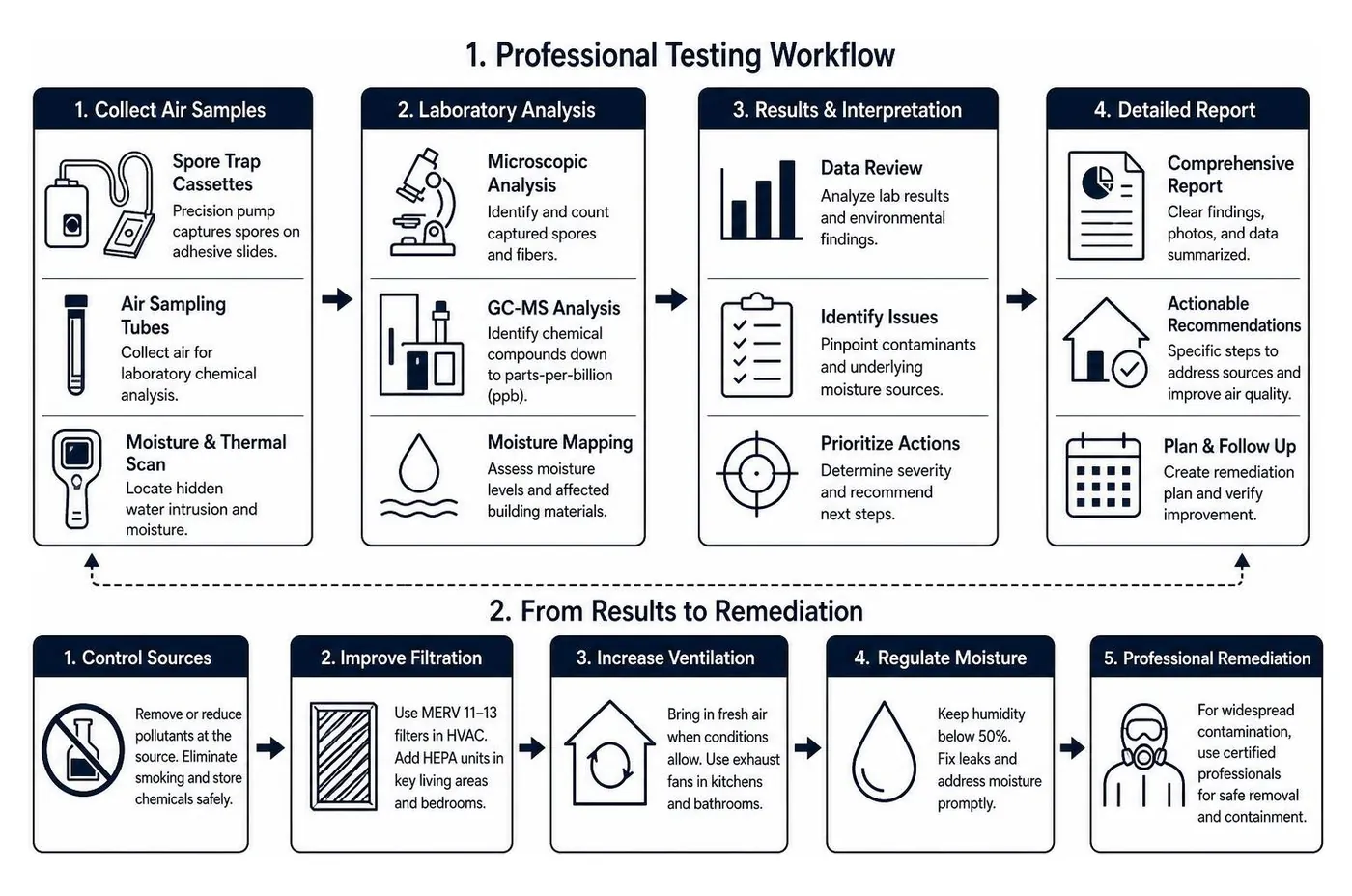
- Control Pollutant Sources at the Origin: Remove offending chemicals, store solvent-based paints in detached sheds, avoid synthetic aerosol air fresheners, and establish a strict no-smoking policy indoors.
- Upgrade Mechanical Air Filtration: Install minimum efficiency reporting value (MERV) 11 to 13 filters within your central HVAC system. Supplement high-traffic living areas and bedrooms with standalone True HEPA filtration units capable of capturing 99.97% of particles down to 0.3 microns.
- Increase Fresh Air Ventilation: When outdoor air conditions are favorable, introduce fresh air to dilute built-up indoor carbon dioxide and off-gassed VOCs. Run kitchen and bathroom exhaust fans vented directly outdoors during and after cooking or showering.
- Regulate Indoor Moisture Levels: Run whole-home or portable dehumidifiers during warm, humid months to keep indoor relative humidity below 50%. Promptly address plumbing drips, roof leaks, or crawlspace moisture before mold colonies establish themselves.
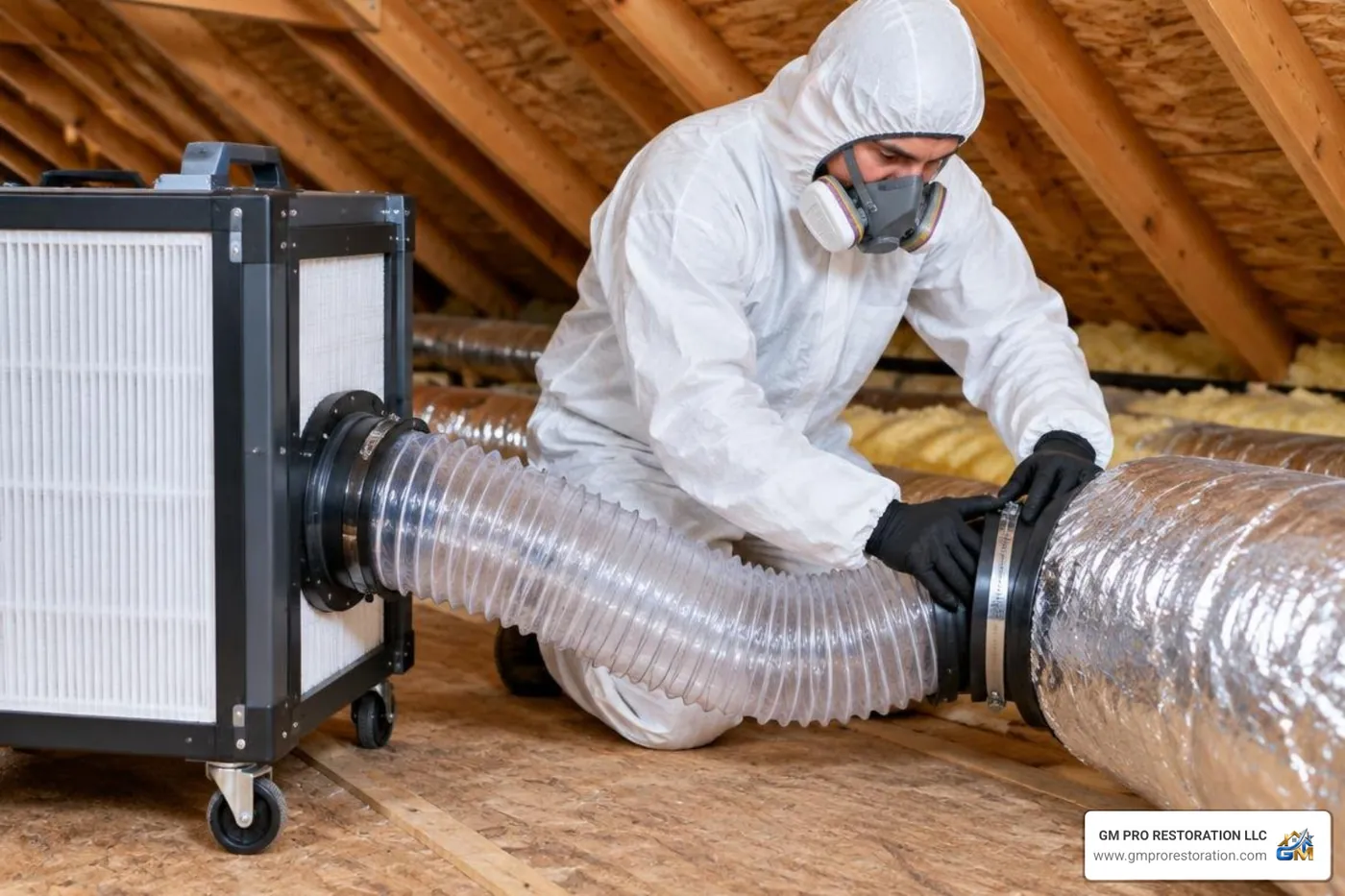
- Enlist Professional Environmental Remediation: When microbial contamination spreads beyond isolated surface patches, avoid standard household cleaners or dry wiping, which aerosolize spores throughout the home. Safe, lasting removal requires certified professional mold services and remediation operating under strict negative-pressure containment.
Frequently Asked Questions About Home Air Monitors
How accurate are consumer indoor air quality monitors?
Consumer indoor air quality monitors are moderately accurate for tracking relative environmental trends, but they lack the calibrated precision of laboratory-grade instruments. Most residential monitors utilize entry-level optical particle counters and metal-oxide semiconductor sensors that can drift over time or produce cross-sensitivity errors when exposed to household cleaning products, cooking vapors, or ambient humidity shifts. They serve well as real-time early warning systems rather than formal legal or medical diagnostic tools.
What is the most critical pollutant to monitor indoors?
The most critical indoor pollutants depend on your home's construction and fuel sources. For immediate life safety, carbon monoxide (CO) is the most critical gas to detect using dedicated, certified alarms. For chronic health management, tracking fine particulate matter (PM2.5) and relative humidity provides the most actionable data, as high particulates strain cardiovascular health while elevated moisture creates conditions for rapid microbial and allergen growth.
Can a residential air monitor detect toxic black mold?
No, a residential air monitor cannot identify toxic black mold (Stachybotrys chartarum) or determine specific mold species. Consumer monitors only count generic airborne particles by size. A spike in your monitor's PM10 or PM2.5 readings could indicate fungal spores, cooking smoke, pet dander, or common outdoor dust. Confirming toxic mold requires physical tape lifts, swab samples, or calibrated air-cassette samples analyzed under a laboratory microscope by an environmental professional.
Conclusion
A home air quality monitor gives you valuable, real-time insight into your indoor environment. Tracking changes in particulates, humidity, carbon dioxide, and chemical vapors helps your family maintain comfortable, well-ventilated living areas year-round.
However, consumer devices cannot replace professional diagnostics when dealing with persistent odors, hidden moisture, or suspected mold growth. At GM PRO RESTORATION LLC, we specialize in identifying and resolving the root causes of indoor environmental issues across the greater Charlotte area. We combine diagnostic moisture tracking, laboratory sampling, and full-service remediation to keep your home safe and structurally sound.
If you suspect hidden moisture or biological contaminants are affecting your home's air, schedule expert indoor air quality testing in Charlotte NC with our certified restoration specialists today.