
How to Get Emergency Basement Water Removal in Charlotte
Emergency Basement Water Removal in Charlotte: Act Fast
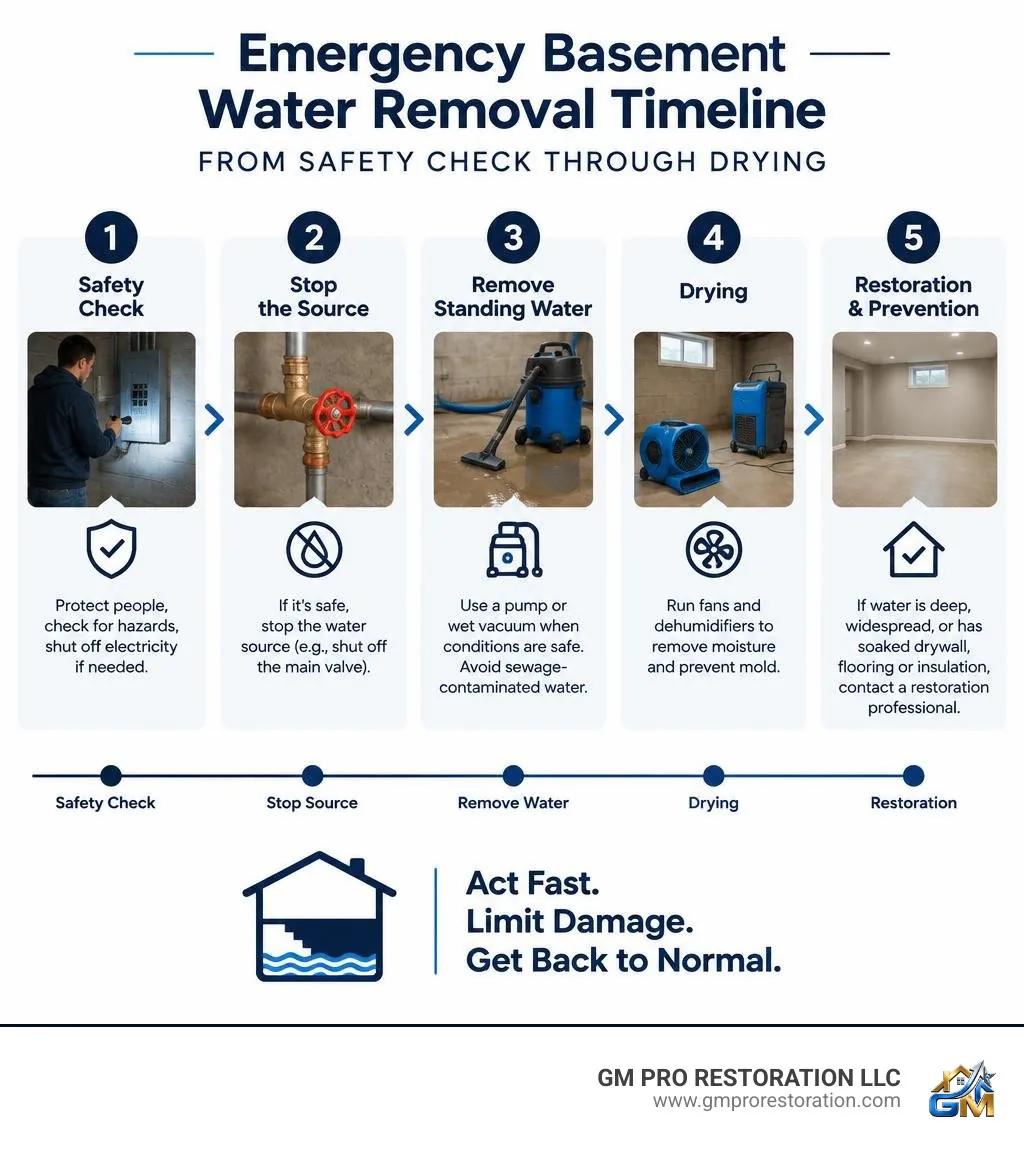
For basement water removal in Charlotte, start by protecting people, stopping the water source if it is safe, and removing standing water as soon as possible. Shut off electricity to the affected area before entering, avoid sewage-contaminated water, and use a pump or wet vacuum only when conditions are safe. Then begin drying with fans and dehumidifiers, and contact a restoration professional if water is deep, widespread, or has soaked drywall, flooring, or insulation.
Charlotte's heavy rain, poor yard drainage, plumbing leaks, and dense red-clay soil can push water toward a foundation. The longer moisture stays behind walls or under flooring, the greater the risk of mold, damaged materials, and costly repairs. The first 24 to 48 hours matter most for limiting secondary damage.
GM PRO RESTORATION LLC can help homeowners move from emergency extraction to thorough drying and a plan for preventing repeat water problems.
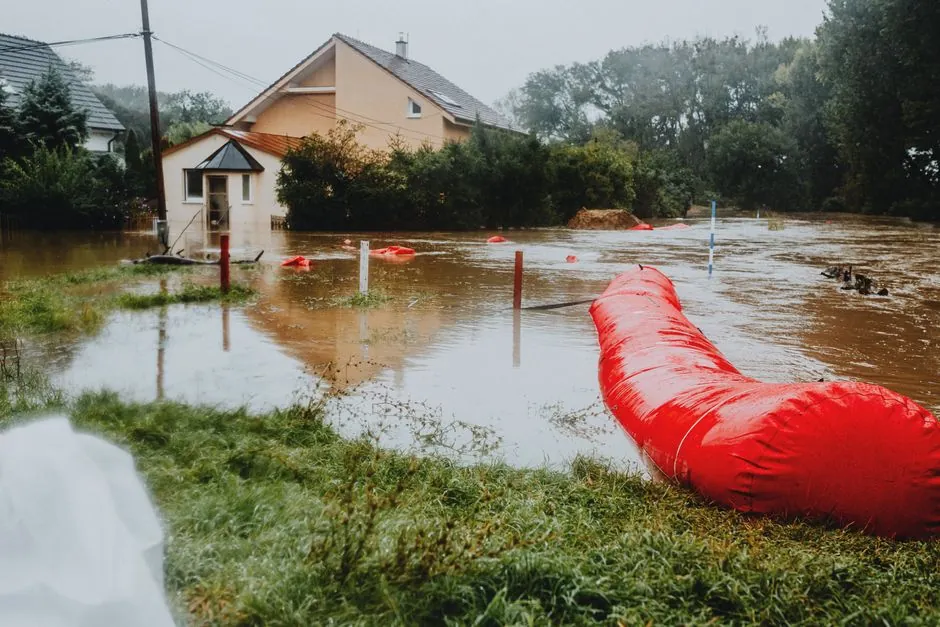
Urgent Causes and Dangers of Basement Flooding in Charlotte
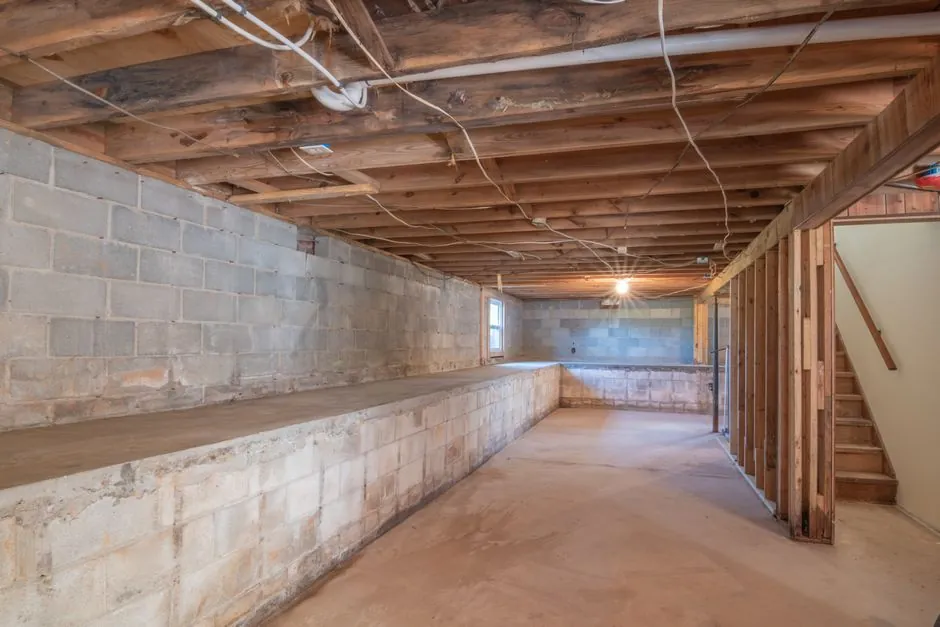
Living in the Piedmont region of North Carolina comes with distinct seasonal beauty, but our local geology and weather create unique headaches for subterranean spaces. When heavy, tropical-fueled rainstorms roll through the Queen City, the infamous Carolina red clay soil acts like an unyielding sponge.
Unlike sandy soil that allows rainwater to percolate downward rapidly, heavy clay expands as it absorbs water. Once saturated, it holds that water against your foundation walls. This creates massive hydrostatic pressure—the physical force exerted by pooled water against the exterior masonry. Over time, that relentless pressure forces water through microscopic hairline cracks, mortar joints, and the vulnerable seam where your basement slab meets the foundation wall (the cove joint).
Beyond soil and hydrostatic dynamics, basement flooding across Charlotte neighborhoods—from historic basements in Dilworth to newer walkouts in Ballantyne—typically stems from a few familiar culprits:
- Inadequate Yard Grading: When landscaping slopes toward the home instead of away, roof runoff and surface water funnel directly against the foundation walls.
- Clogged or Broken Downspouts: A single severe thunderstorm can dump hundreds of gallons of water off your roof. If downspouts discharge within five feet of the foundation, you are effectively running a water pump directly into your basement.
- Failed Sump Pumps: Sump systems work hard during rainy seasons. Mechanical breakdowns, float switch hang-ups, or sudden power outages during Piedmont storms instantly leave basements vulnerable.
- Internal Plumbing Failures: Burst supply lines, failing water heaters, and washing machine supply hose splits can release hundreds of gallons of pressurized water an hour.
- Municipal Sewer Backups: Heavy municipal stormwater influx can overwhelm combined city lines, driving dirty municipal wastewater straight backward through basement floor drains.
When water breaches your home, ignoring it is not an option. According to EPA guidelines on indoor mold and moisture, uncontrolled indoor moisture rapidly sparks microbial colonies that damage structural building assemblies and degrade indoor air quality.
The Critical 24-to-48 Hour Window
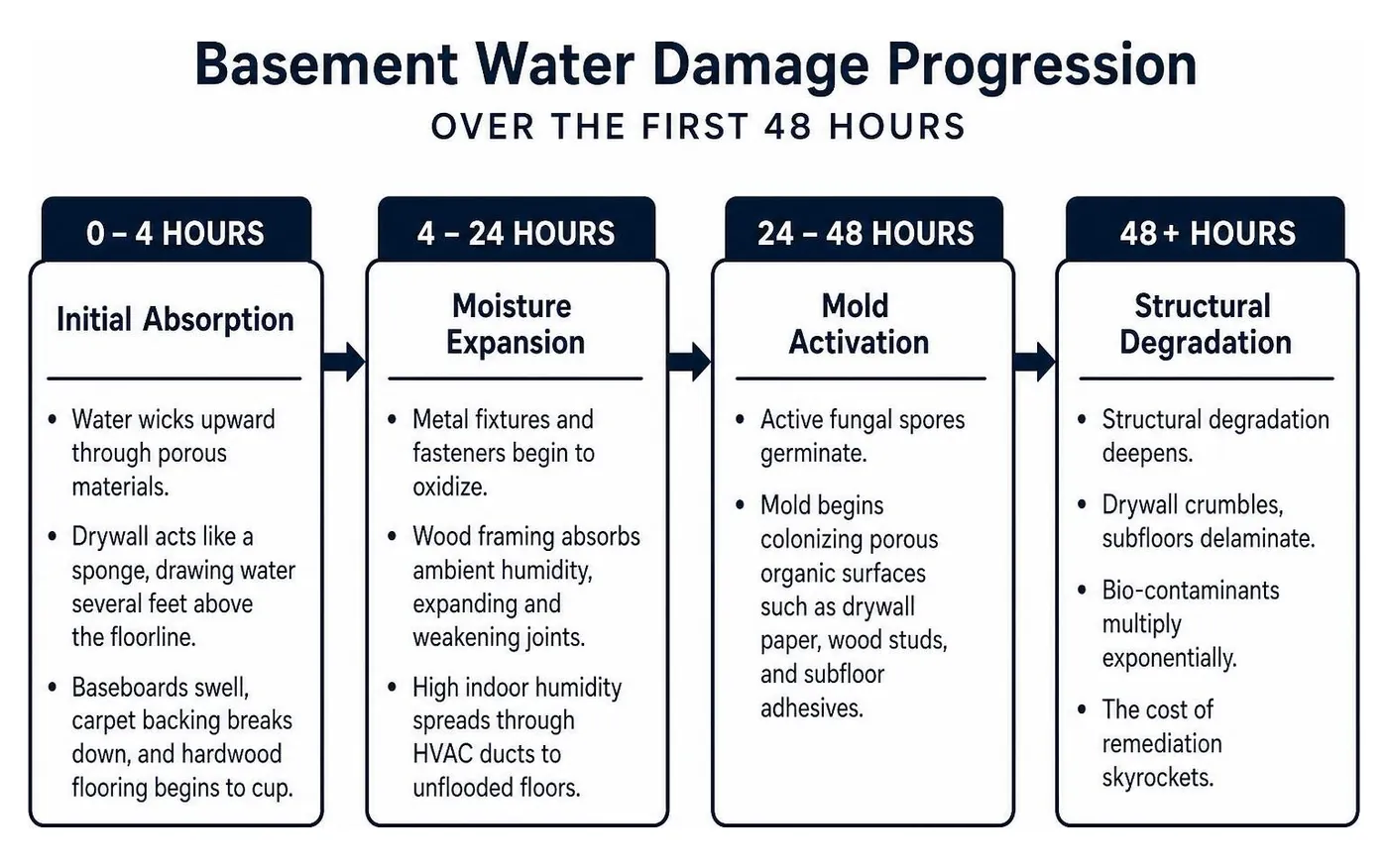
Time is your most precious asset during a flooding emergency. Within the first 24 to 48 hours, structural materials begin a cascade of irreversible decay if water is not actively managed:
- 0 to 4 Hours: Water wicks upward through porous materials. Drywall acts like a sponge, drawing water several feet above the floorline. Baseboards swell, carpet backing breaks down, and hardwood flooring begins to cup.
- 4 to 24 Hours: Metal fixtures and fasteners begin to oxidize. Wood framing absorbs ambient humidity, expanding and weakening joints. High indoor humidity spreads through HVAC ducts to unflooded floors.
- 24 to 48 Hours: Active fungal spores germinate. Mold begins colonizing porous organic surfaces such as drywall paper, wood studs, and subfloor adhesives.
- 48+ Hours: Structural degradation deepens. Drywall crumbles, subfloors delaminate, bio-contaminants multiply exponentially, and the cost of remediation skyrockets.
Navigating Contaminated Water Categories
Water damage restoration professionals classify standing water into three distinct categories based on biological and chemical hazard levels. Knowing what you are dealing with dictates how safely you must approach the space:
- Category 1 (Clean Water): Originates from sanitary sources such as broken domestic supply lines, overflowing sinks, or rainwater running through clean windows. While initially safe, Category 1 water can quickly degrade into Category 2 if left untreated for more than 24 to 48 hours.
- Category 2 (Gray Water): Contains significant chemical, biological, or physical contamination that can cause discomfort or illness if ingested or touched. Common sources include washing machine overflows, dishwasher discharge, sump pump overflows containing soil residue, or toilet bowl overflows with urine but no feces.
- Category 3 (Black Water): Highly unsanitary and dangerous. It contains pathogenic agents, raw sewage, pesticides, heavy metals, or toxic bio-matter. Black water comes from municipal sewer backups, stream or river overflow, and ground surface runoff entering the home. Category 3 requires professional biohazard protocols, full personal protective equipment (PPE), and the removal of almost all saturated porous building materials.
Expert Guide to Basement Water Removal in Charlotte
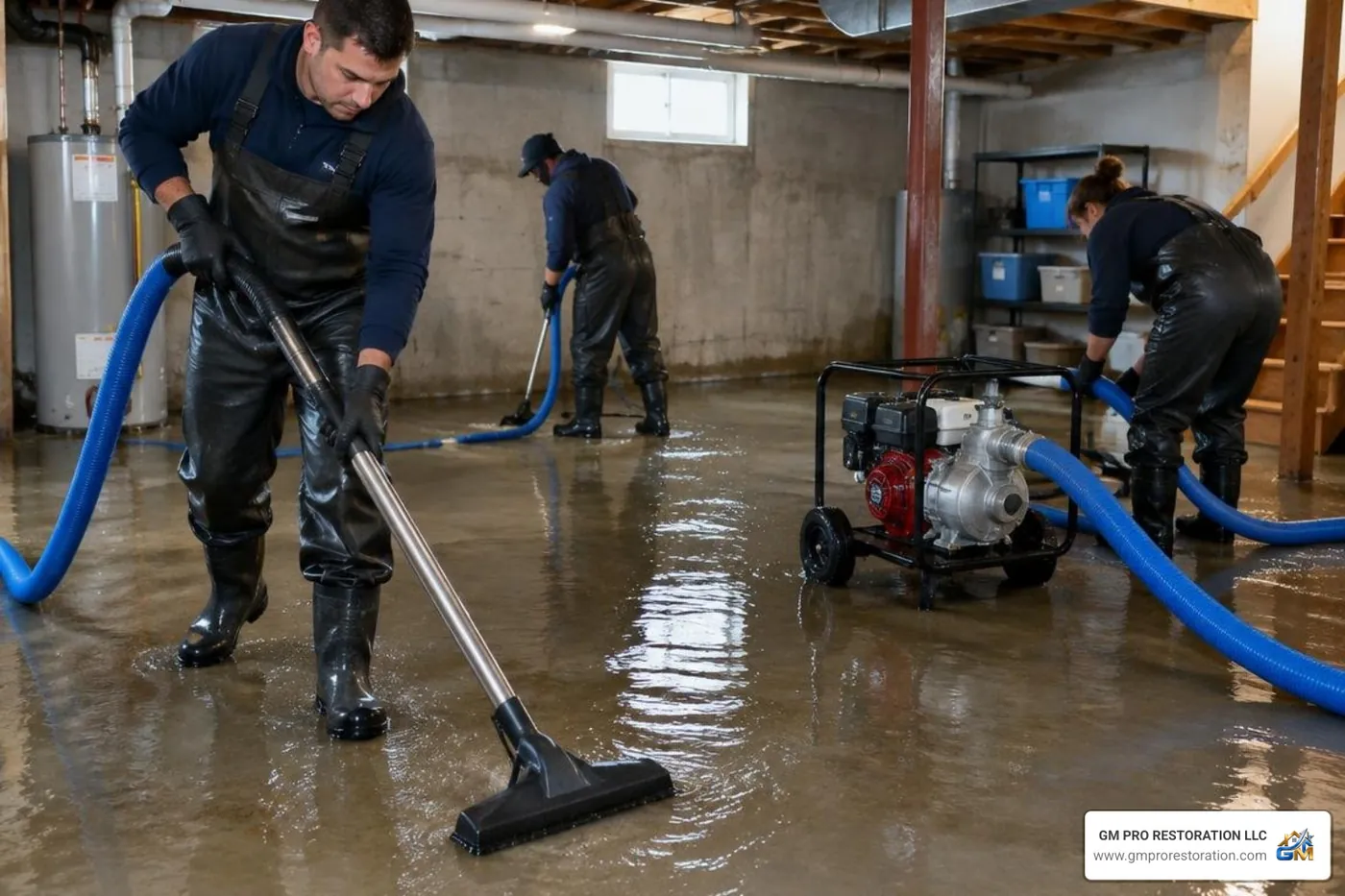
Safely removing water from a flooded basement requires a structured plan. Rushing downstairs into standing water without taking precautions is dangerous.
Initial Safety and Water Extraction Protocols
Before stepping foot onto a wet basement floor, execute these critical safety checks:
- Eliminate Electrical Hazards: If the water level is anywhere near electrical outlets, extension cords, or your electrical service panel, do not enter. Shut off power to the entire house at the main breaker box only if it can be accessed safely from a dry location outside the flooded area. If not, call your utility provider to disconnect service at the meter.
- Wear Appropriate PPE: Put on heavy rubber boots with steel shanks, thick rubber gloves, eye protection, and an N95 or P100 respirator if sewage or stagnant water is present.
- Check for Structural and Gas Risks: Inspect overhead joists and foundation walls for sudden shifts, cracks, or sagging. If you smell natural gas, evacuate immediately and notify the utility company.
- Deploy Containment: Seal off basement doorways and central air returns using plastic sheeting to prevent airborne contaminants and elevated humidity from migrating into upstairs living spaces.
For minor Category 1 puddles (less than two inches deep over a small area), you can begin water evacuation using a commercial-grade wet/dry vacuum or a portable submersible utility pump discharging via a garden hose well away from your foundation. However, when standing water covers the basement floor or involves Category 2 or 3 contaminants, DIY equipment simply lacks the horsepower required for comprehensive extraction.
Professional Techniques for Basement Water Removal in Charlotte
Restoration technicians use specialized tools to remove water and locate hidden moisture pockets:
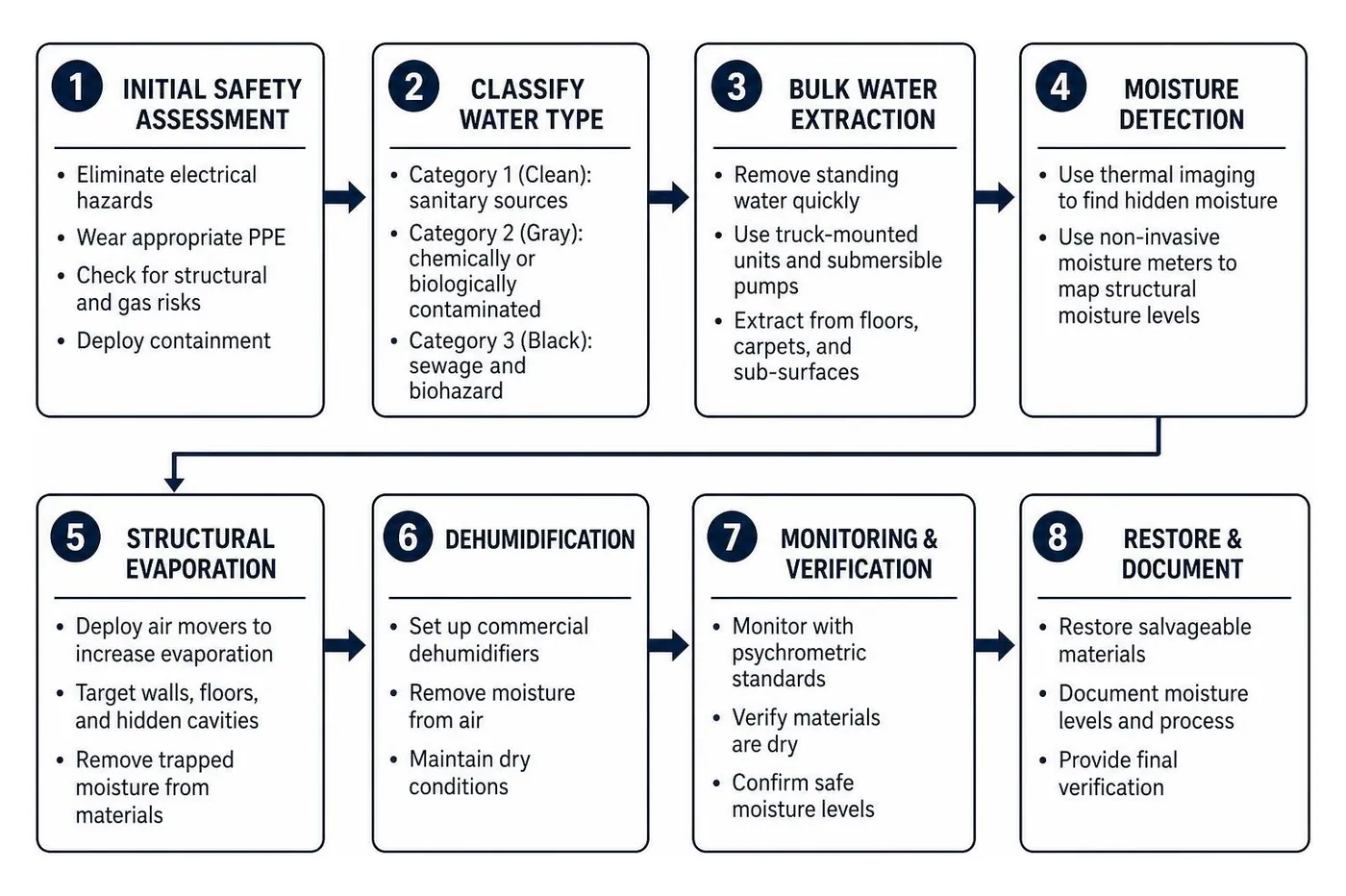
- Industrial Extraction Units: Truck-mounted extraction systems and heavy-duty electric submersible pumps can move thousands of gallons per hour, clearing deep floodwaters in minutes.
- Sub-Surface Extraction Tools: Weighted rover extractors pull trapped water directly out of carpet pads and structural subflooring without needing immediate, invasive tear-outs when clean water is involved.
- Thermal Imaging Cameras (FLIR): Infrared cameras detect the evaporative cooling signature of moisture trapped behind finished drywall, inside insulated cavities, and beneath tiled floors.
- Non-Invasive Moisture Meters: Calibrated pin and pinless meters map exact structural moisture levels against established dry standards without destroying salvageable walls.
Our technicians follow the strict structural drying standards established by the Institute of Inspection Cleaning and Restoration Certification (IICRC) S500 Standard for Professional Water Damage Restoration, ensuring your home is returned to a safe, baseline moisture state.
Industrial Drying and Environmental Dehumidification
Pumping out standing water is only the first step. True restoration requires managing the microscopic moisture trapped inside air and building assemblies through psychrometric science—the physics of air, temperature, and water vapor.
- High-Velocity Air Movers: Rather than ordinary household fans, commercial centrifugal and axial air movers blast laminar airflow across floors, walls, and joists. This speeds up the evaporation rate, drawing water out of structural lumber and into the air.
- Low-Grain Refrigerant (LGR) Dehumidifiers: Standard home dehumidifiers freeze up or lose efficiency in cool basements. LGR units pull massive volumes of air, chilling it below the dew point to wring out up to 30 gallons of water vapor per day even in low-humidity environments.
- Desiccant Dehumidifiers: For deeply saturated hardwood, dense subflooring, or crawlspace-adjacent basements, desiccant units use chemical drying agents (like silica gel) to create ultra-dry air streams that pull bound water from resilient materials.
- Antimicrobial Treatments: EPA-registered, hospital-grade botanical or synthetic antimicrobials are applied to concrete slabs, framing studs, and masonry to neutralize residual bacteria, sanitize surfaces, and prevent mold growth.
Post-Removal Moisture Control and Estimated Costs
Once your basement is physically dry, the focus shifts to long-term moisture management, compliance with local building regulations, and financial planning.
Moisture Control and Mecklenburg County Building Code Requirements
Rebuilding or extensively waterproofing a basement in the Charlotte area often involves local regulatory oversight. Mecklenburg County Code Enforcement oversees residential building standards, ensuring that structural alterations and plumbing installations meet the North Carolina Residential Building Code.
When restoring your basement, keep these local guidelines in mind:
- Permitting for Drainage Alterations: Installing an interior perimeter French drain system that ties into an exterior discharge point, adding a dedicated electrical circuit for a new dual-battery sump pump, or altering structural load-bearing walls requires residential permits from Mecklenburg County.
- Moisture Barriers & Insulation Codes: NC building codes specify exact vapor retarder classes and insulation R-values for subterranean foundation walls. Installing drywall over damp, uninsulated concrete violates code and invites hidden fungal colonies.
- Drying Documentation: Professional restoration firms provide certified drying logs detailing daily temperature, relative humidity (RH), and material moisture content (Grains Per Pound - GPP). This official documentation is required by insurance carriers to close out flood claims.
Estimating Costs for Basement Water Removal in Charlotte
The overall cost of emergency basement extraction and drying varies significantly depending on several real-world factors:
| Restoration Scope Factor | Low-End Estimate | Average Range | High-End / Severe Range |
|---|---|---|---|
| Minor Extraction & Drying (Cat 1, <500 sq ft) | $1,200 | $2,000 – $3,500 | $4,500 |
| Extensive Extraction & Drying (Cat 2/3, >1,000 sq ft) | $3,500 | $4,500 – $7,500 | $10,000+ |
| Controlled Demolition (Drywall, Flooring, Trim) | $800 | $1,500 – $3,000 | $5,500+ |
| Mold Remediation & Sanitization | $1,500 | $2,500 – $5,000 | $9,000+ |
| Full Interior Waterproofing & Sump Upgrade | $4,000 | $7,000 – $12,000 | $18,000+ |
Key Pricing Variables:
- Category of Water: Clean water (Cat 1) requires far less personal protective equipment, structural demolition, and disposal than hazardous sewage backups (Cat 3).
- Drying Duration: Standard basements take 3 to 5 days of continuous industrial drying. High-density framing lumber or deep masonry saturation can extend run times.
- Insurance Deductibles & Coverage: Standard homeowners insurance policies generally cover sudden and accidental internal water damage (such as a burst pipe). However, water entering from the ground outside (hydrostatic pressure or surface flooding) typically requires a specific flood insurance policy or a water backup rider. Check your policy's deductible and water-backup endorsement limit.
Frequently Asked Questions About Basement Flooding in Charlotte
How fast should standing water be removed from a basement?
Standing water should ideally be extracted within the first 24 hours, and certainly within 48 hours. Mold spores present naturally in indoor environments require only moisture, oxygen, and an organic food source (like drywall or wood framing) to begin colonizing. Rapid extraction stops moisture from moving deeper into structural framing, protecting your subfloor and preventing permanent foundation rot.
Can emergency water removal begin before permanent repairs?
Yes. In fact, emergency water removal and structural drying must happen immediately—well before permanent foundation, waterproofing, or plumbing repairs take place. Leaving water sitting in your basement while waiting for a contractor's assessment guarantees mold growth and secondary structural rot. An emergency restoration crew stabilizes the environment, documents all moisture levels and damage for your insurance claim, and preps the space so permanent repairs can proceed safely.
What causes frequent basement water seepage in Charlotte homes?
The primary driver of chronic seepage in the Charlotte area is the interaction between heavy seasonal rainfall and dense Carolina red clay soil. Because red clay drains slowly, moisture builds up directly against foundation walls, creating powerful hydrostatic pressure that forces water through microscopic cracks, concrete block mortar joints, and slab floor seams. Outdated or failing exterior footer drains and downspouts discharging too close to foundation walls make this problem much worse.
Conclusion
A flooded basement is an urgent, high-stakes emergency, but taking fast action protects your home's structural integrity, indoor air quality, and property value. Pumping out bulk water quickly, setting up industrial drying equipment, and identifying the root cause of the intrusion are critical to keeping your basement dry for the long haul.
At GM PRO RESTORATION LLC, our team provides 24/7 rapid emergency response, detailed root-cause assessments, and end-to-end remediation. When you need dependable emergency water damage restoration in Charlotte, we are ready to help you extract the water, dry the structure, and restore your home safely.